A slowing metabolism, hormonal shifts and busier lives can all chip away at muscle strength. Yet a few smart food choices, even without meat or cured meats, can give ageing muscles exactly what they need to stay active, independent and strong.
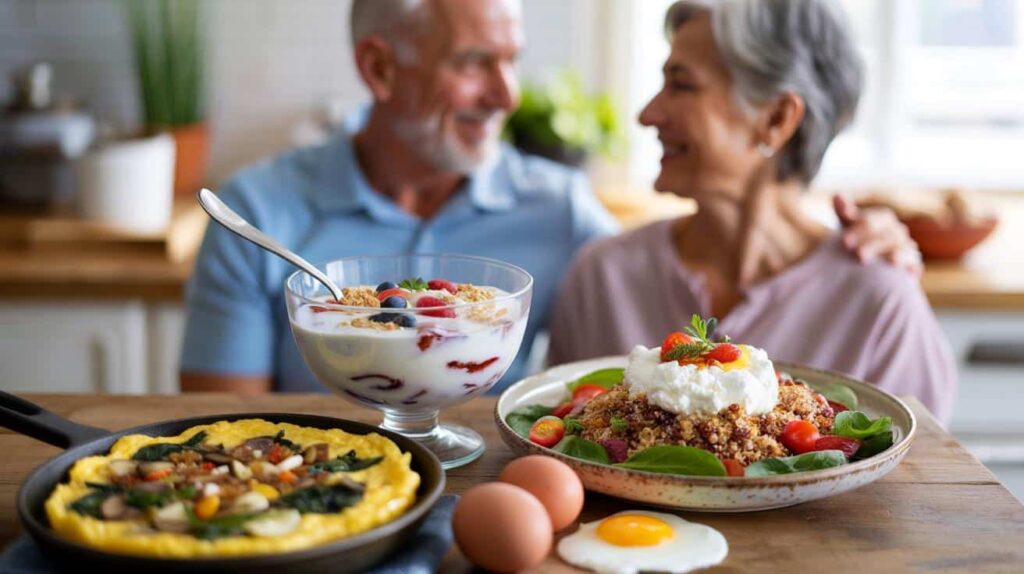
Why protein matters more after 50
From around the age of 50, most people start losing muscle mass each year. The process has a name: sarcopenia. It shows up as reduced strength, less power when climbing stairs, and a general feeling of fragility.

Protein helps slow this loss. It supports muscle repair after daily activities and exercise. After midlife, the body becomes slightly less efficient at using protein, so the quality and timing of intake start to matter more.

People over 50 benefit from spreading good-quality protein across all meals, not just loading it at dinner.
If you avoid meat and cured meats for health, ethical or taste reasons, that does not mean resigning yourself to weaker muscles. Three everyday foods – yogurt (especially Greek-style), cottage cheese and ricotta, plus whole eggs – offer an effective, realistic way to meet protein needs without complicated recipes.
Yogurt: an easy protein boost from breakfast to bedtime
Plain yogurt, and especially Greek-style yogurt, provides concentrated protein in a quick, spoonable form. It fits at breakfast, as a mid-morning snack, after exercise or as a light evening option.
Greek-style yogurt contains more protein per spoonful than many standard yogurts because it is strained. This reduces water content and concentrates the nutrients. Natural versions also bring calcium, which supports bone strength – a key issue after 50, particularly for women post-menopause.
Greek-style yogurt offers both high-quality protein for muscles and calcium for bones, in one straightforward portion.
How to use yogurt across the day
- Breakfast: Greek yogurt with oats, berries and a few nuts.
- Snack: A small pot of plain yogurt with a sliced banana.
- Post-walk recovery: Yogurt blended into a simple fruit smoothie.
- Evening option: A bowl of yogurt with cinnamon when you do not feel like a heavy meal.
Choosing unsweetened yogurt keeps sugar in check. For people watching saturated fat, lower-fat options can work well, as long as the product is not overloaded with added sugars or artificial flavours.
Cottage cheese and ricotta: soft, versatile and filling
Cottage cheese and ricotta share a similar advantage: they are rich in protein but feel lighter than hard cheeses. They are especially handy for lunch and dinner, where they can step into the role usually occupied by meat.
Cottage cheese brings a slightly tangy flavour and a firm, curd-like texture. Ricotta is creamier and milder. Both offer a decent amount of protein per portion and, when chosen in leaner versions, keep saturated fat at a modest level.
Cottage cheese and ricotta can instantly “upgrade” a plate of vegetables or grains into a genuine protein-rich meal.
Practical ways to add them to main meals
One of the strong points of these cheeses is how easy they are to combine with other ingredients. Here are a few ideas tailored for people over 50 who want quick, digestible meals:
- Light lunch: Wholegrain toast topped with ricotta, cherry tomatoes and a drizzle of olive oil.
- Balanced bowl: A mix of cooked quinoa, roasted vegetables and two generous spoonfuls of cottage cheese.
- Simple baked dish: Spinach and ricotta stuffed into roasted peppers.
- Quick dinner: Steamed vegetables and new potatoes with cottage cheese on the side, instead of sausages or ham.
For people watching cholesterol or cardiovascular risk, choosing low-fat or “light” versions of these cheeses can reduce saturated fat while still delivering protein and calcium. Reading the label helps, as some reduced-fat products compensate with extra salt.
Whole eggs: compact, affordable and nutrient-dense
Eggs have long been criticised for their cholesterol content, yet nutritional advice has shifted. For most healthy adults, including older people, whole eggs can safely fit into a balanced diet. They provide high-quality protein and a wide range of vitamins and minerals.
The yolk contains choline, vitamin D, B vitamins and antioxidants such as lutein and zeaxanthin, which support eye health – another concern with ageing. The white is almost pure protein. Together, they form a complete package for muscle maintenance.

A couple of eggs can turn a plate of vegetables or bread into a genuine muscle-supporting meal in under ten minutes.
Smart ways over-50s can use eggs
Eggs adapt to nearly every culture and cooking skill level. For muscle protection, what matters is frequency and balance, not complex recipes.
| Meal moment | Egg-based idea | Muscle-friendly advantage |
|---|---|---|
| Breakfast | Soft-boiled eggs with wholegrain toast soldiers | Early protein intake to support muscles throughout the day |
| Lunch | Vegetable omelette with spinach, mushrooms and onions | Combination of protein and fibre, light yet filling |
| Dinner | Frittata with leftover roasted vegetables and a side salad | Easy way to use leftovers and secure a decent protein portion |
People with specific cardiovascular conditions or diabetes should discuss egg intake with their doctor or dietitian. For many, including whole eggs several times a week remains compatible with heart-conscious eating when the rest of the diet is rich in vegetables, whole grains and healthy fats.
Balancing these foods across the day
Using yogurt, soft cheeses and eggs strategically helps match protein intake to the body’s changing needs. Instead of one large protein-heavy dinner, spreading portions over three main meals plus one snack can support muscle repair more effectively.
A typical day for a meat-free, over-50 adult might look like this:
- Breakfast: Greek yogurt with oats and fruit.
- Lunch: Quinoa salad with cottage cheese and mixed vegetables.
- Snack: A small bowl of yogurt or a slice of wholegrain bread with ricotta.
- Dinner: Vegetable omelette with a leafy side salad.
This pattern keeps protein arriving at regular intervals, while also providing fibre, vitamins and minerals. Hydration and gentle daily movement – walking, light resistance training, stretching – act in synergy with this eating style.
How these foods support more than just muscles
After 50, loss of muscle rarely comes alone. Reduced bone density, slower digestion and changes in appetite often appear in the same decade. The three featured foods address several of these issues at once.
Dairy products such as yogurt, cottage cheese and ricotta provide calcium and, when fortified, vitamin D. These nutrients help maintain bone mineral density, lowering fracture risk. Fermented yogurt can support a more diverse gut microbiota, which many researchers link to better immune function and mood stability.
Eggs, for their part, contribute vitamin D, choline for brain function and antioxidants relevant to eye health. For older adults concerned about cognitive decline, including choline-rich foods regularly can be a simple protective habit.
Practical scenarios and small adjustments
Imagine a 58-year-old who has stopped eating red meat and cured meats for health reasons. Lunch has quietly shrunk to a bowl of salad and a piece of bread. Energy feels low, and climbing the stairs is more tiring than last year. Adding 100 grams of cottage cheese to that salad and replacing the plain bread with a slice topped with ricotta lifts both protein and satisfaction, without bringing back processed meats.
Or think of someone in their early 60s who often skips breakfast. Swapping that habit for a quick bowl of Greek-style yogurt with fruit and a boiled egg two or three times a week raises morning protein intake dramatically. Combined with two short strength sessions per week – even just bodyweight squats and wall push-ups – this change can slow muscle loss in a very noticeable way over time.
Terms like “high biological value protein” simply mean that a food contains all the essential amino acids in proportions that the human body can use efficiently. Eggs, yogurt and these soft cheeses fall into this category, which makes them particularly useful when every gram of protein counts.
Choosing these foods regularly, in forms that suit your taste and health profile, turns everyday meals into quiet allies against age-related muscle decline. Not flashy, not complicated – but genuinely effective for staying strong past 50 without relying on meat or cured meats.