Many people believe that regular exercise is the key to fitness, but the remarkable benefits of yoga often remain overlooked. Unlike conventional workouts like running and weightlifting that focus mainly on strength and endurance, yoga provides distinct advantages that can deeply influence your physical and mental well-being. What unexpected insights and changes might this ancient practice reveal for you?
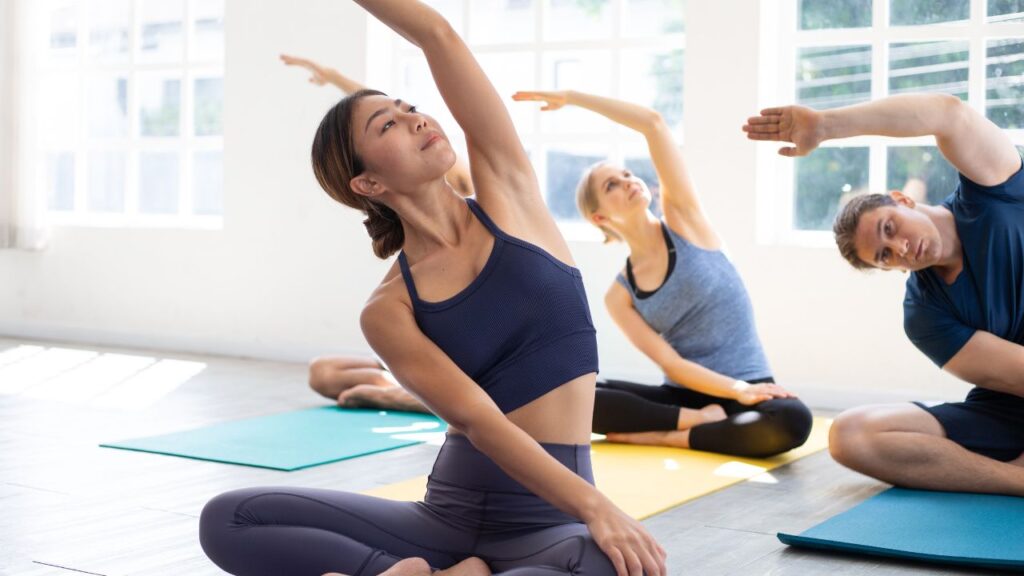
Yoga is not only about movement. It is a complete system that trains the body, breath, mind, and nervous system together.

Modern health studies and real-world practice show that yoga delivers deeper benefits related to balance, stress control, body awareness, and long-term wellness that normal exercise routines usually miss.

Best Yoga Poses For Beginners To Improve Flexibility And Strength
How Yoga Is Different From Regular Exercise
Traditional exercise mainly focuses on burning calories, building muscles, and improving endurance. Yoga, on the other hand, works on internal balance, controlled breathing, posture alignment, and mental calmness along with physical strength.
Yoga Vs Exercise – Key Differences
What Yoga Teaches Your Body That Exercise Cannot
1. Mind-Body Awareness
Yoga teaches you to notice every movement and muscle stretch along with each breath you take. This kind of awareness lets your body spot tension and fatigue before they become serious problems. While regular exercise pushes you forward yoga shows you when your body needs to slow down or when you should rest. It helps you learn to adjust your posture naturally. Over time this prevents the kind of physical strain that builds up and causes lasting damage to your body.
# Mind-Body Awareness
Mind-body awareness refers to the conscious recognition of the connection between your mental state and physical sensations. This practice involves paying attention to how your thoughts and emotions influence your body and how physical experiences affect your mental wellbeing.
## Understanding the Connection
The relationship between mind & body operates continuously whether we notice it or not. When you feel stressed your muscles might tense up. When you experience joy your body often feels lighter and more energized. Mind-body awareness means actively observing these patterns instead of letting them happen unconsciously.
## Benefits of Developing Awareness
People who practice mind-body awareness often report better stress management. They notice warning signs of tension or anxiety earlier and can address them before they escalate. This awareness also helps with pain management since understanding the mental components of physical discomfort can reduce its intensity. Better emotional regulation comes from recognizing how feelings manifest physically. When you notice your heart racing or your breathing becoming shallow you can identify the emotion behind it and respond appropriately.
## Practical Applications
You can develop mind-body awareness through various methods. Meditation encourages you to observe thoughts and bodily sensations without judgment. Yoga combines physical movement with breath awareness to strengthen this connection. Simple body scan exercises involve mentally checking in with different body parts throughout the day. Even brief moments of checking in with yourself make a difference. Pausing to notice your posture or breathing pattern brings you into the present moment and reinforces the mind-body link.
## Building Your Practice
Start small with just a few minutes daily. Notice how your body feels when you wake up or before you go to sleep. Pay attention to physical responses during emotional moments. Over time this awareness becomes more natural and requires less conscious effort. The goal is not to control every sensation but to develop a friendly relationship with your body’s signals. This understanding helps you make better decisions about rest and activity and emotional processing.
The Unexpected Benefits People Notice After 7 Days Of Yoga
2. Controlled Breathing And Nervous System Balance
In yoga, breathing is not accidental. Techniques like slow inhalation and deep exhalation calm the nervous system. This improves oxygen flow, reduces stress hormones, and supports heart health. Most workouts ignore breathing control, even though it strongly affects overall health.
Keyword: Breath Control
3. Stress And Emotional Regulation
Yoga teaches the body how to stay calm under pressure. Regular practice lowers anxiety, improves mood, and enhances emotional stability. While exercise may release stress temporarily, yoga trains the mind to stay relaxed even outside practice sessions.
Most People Do Yoga Wrong—Here’s The Right Way To Start
# Understanding Stress Reduction and Its Importance
Stress has become a common part of modern life. Many people experience it daily through work pressures and personal responsibilities. Learning effective stress reduction techniques can significantly improve your overall wellbeing and quality of life.
## What Is Stress Reduction
Stress reduction refers to various methods & practices that help lower tension levels in your body and mind. These techniques aim to bring your nervous system back to a balanced state. When you practice stress reduction regularly you can better manage challenging situations and maintain emotional stability.
## Common Causes of Daily Stress
Work deadlines create pressure that builds throughout the day. Financial concerns often keep people awake at night worrying about bills and expenses. Relationship conflicts add emotional strain to your mental load. Health issues can trigger anxiety about the future. Traffic jams and daily commutes waste time and increase frustration levels.
## Physical Effects of Chronic Stress
Your body responds to stress in measurable ways. Blood pressure rises when stress hormones flood your system. Muscle tension develops in your neck & shoulders. Sleep quality decreases as your mind races with concerns. Digestive problems emerge when stress affects your gut health. Your immune system weakens over time with prolonged stress exposure.
## Mental Impact of Unmanaged Stress
Concentration becomes difficult when stress clouds your thinking. Memory problems develop as cortisol affects brain function. Mood swings happen more frequently under constant pressure. Anxiety levels increase and may lead to panic attacks. Depression can develop when stress continues without relief.
## Effective Stress Reduction Techniques
Deep breathing exercises calm your nervous system within minutes. Regular physical activity releases endorphins that improve mood. Meditation practice trains your mind to stay present and peaceful. Adequate sleep allows your body to recover and reset. Healthy eating provides nutrients that support stress resilience.
## The Role of Exercise in Managing Stress
Physical movement helps burn off stress hormones naturally. Walking outdoors combines exercise with nature exposure for double benefits. Yoga integrates breathing with gentle movement for relaxation. Swimming provides low impact activity that soothes both body and mind. Dancing releases tension while boosting your mood through music.
## Mindfulness and Meditation Practices
Mindfulness means paying attention to the present moment without judgment. Simple breathing awareness can be practiced anywhere at any time. Body scan meditation helps you notice and release physical tension. Guided imagery takes your mind to peaceful imaginary places. Progressive muscle relaxation systematically releases tension from each muscle group.
## Social Connections and Stress Relief
Talking with friends provides emotional support during difficult times. Spending time with loved ones reminds you of what matters most. Joining community groups creates a sense of belonging. Helping others shifts focus away from your own problems. Laughing with others releases tension and improves perspective.
## Time Management for Stress Prevention
Planning your day reduces the chaos that creates stress. Setting priorities helps you focus on what truly matters. Learning to say no prevents overcommitment & burnout. Breaking large tasks into smaller steps makes them less overwhelming. Scheduling breaks throughout your day maintains energy levels.
## Creating a Relaxing Environment
Your surroundings significantly affect your stress levels. Decluttering your space reduces visual chaos and mental noise. Adding plants brings nature indoors and improves air quality. Soft lighting creates a calming atmosphere in your home. Comfortable furniture supports physical relaxation after long days.
## The Benefits of Regular Stress Reduction
Consistent practice leads to lasting improvements in health. Your blood pressure stabilizes at healthier levels. Sleep quality improves as your mind learns to relax. Relationships strengthen when you respond calmly instead of reacting. Work performance increases with better focus and energy.
## Building Your Personal Stress Reduction Plan
Start by identifying your main stress triggers & patterns. Choose two or three techniques that appeal to you most. Practice them daily even when you feel fine. Track your progress to notice improvements over time. Adjust your approach based on what works best for you.
## Professional Help for Severe Stress
Sometimes self help methods are not enough to manage stress. Therapists can teach specialized coping strategies. Counselors help you work through underlying issues. Support groups connect you with others facing similar challenges. Medical professionals can rule out physical causes of stress symptoms.
## Making Stress Reduction a Lifestyle
Long term success requires making stress management a daily habit. Morning routines set a calm tone for the entire day. Regular check ins with yourself prevent stress from building up. Celebrating small victories reinforces positive changes. Patience with yourself during setbacks maintains motivation. Stress reduction is not about eliminating all stress from your life. It involves developing skills to handle pressure in healthier ways. With consistent practice you can transform how you respond to challenges and create a more peaceful daily experience.
4. Functional Strength Instead Of Muscle Bulk
Yoga builds functional strength, which supports daily movements like walking, bending, lifting, and maintaining posture. Instead of isolating muscles, yoga strengthens multiple muscle groups together, improving coordination and body control.

Keyword: Functional Strength
5. Improved Balance And Coordination
Yoga postures train small stabilizing muscles that are often ignored in workouts. This improves balance, posture, and coordination, which helps prevent falls and joint injuries, especially as people age.
Keyword: Balance And Stability
6. Better Joint Health And Mobility
Yoga movements are slow and controlled, helping joints move through their full range safely. This keeps joints lubricated and flexible without excessive pressure, unlike high-impact exercise that can wear joints over time.
# Understanding Joint Mobility and Its Importance for Your Body
Joint mobility refers to the ability of your joints to move freely through their full range of motion. This fundamental aspect of physical health affects everything from daily activities to athletic performance. When your joints move well you can bend, twist, reach and perform countless movements without pain or restriction. The human body contains many different types of joints that each serve specific purposes. Some joints like those in your shoulders and hips allow for extensive movement in multiple directions. Others like the joints in your spine permit more limited but equally important motion. Maintaining good mobility in all these joints helps you stay active and independent throughout your life.
## What Affects Joint Mobility
Several factors influence how well your joints move. Age plays a significant role as joints naturally become stiffer over time. The cartilage that cushions your joints can wear down and the synovial fluid that lubricates them may decrease. These changes are normal but they can limit your range of motion if not addressed properly. Physical activity levels also impact joint mobility significantly. Regular movement keeps joints flexible & healthy while a sedentary lifestyle leads to stiffness and reduced function. When you move your joints regularly you maintain the strength of surrounding muscles and keep the joint structures well lubricated. Injuries and medical conditions can restrict joint movement as well. Arthritis causes inflammation that makes joints painful & stiff. Previous injuries may result in scar tissue that limits motion. Conditions like bursitis or tendinitis affect the tissues around joints and reduce mobility. Your body weight influences joint health too. Excess weight puts additional stress on weight-bearing joints like knees, hips and ankles. This extra pressure can accelerate wear and tear while making movement more difficult and uncomfortable.
## Benefits of Good Joint Mobility
Maintaining healthy joint mobility provides numerous advantages for your overall wellbeing. When your joints move freely you can perform daily tasks with ease. Simple activities like getting dressed, cooking meals or climbing stairs become effortless rather than challenging. Good mobility reduces your risk of injury during physical activities. Flexible joints can handle sudden movements and unexpected stresses better than stiff ones. This protection becomes especially important as you age and your body becomes more vulnerable to strains and sprains. Better joint mobility often means less pain & discomfort. When joints move through their intended range without restriction you avoid the compensatory movements that can lead to pain in other areas. Your body works more efficiently when all parts move as they should. Athletic performance improves with enhanced joint mobility. Whether you play sports recreationally or competitively having flexible joints allows for better technique and power generation. You can move faster, jump higher & change direction more quickly when your joints function optimally.
## Ways to Improve Joint Mobility
Regular stretching exercises help maintain & improve joint flexibility. Static stretches where you hold a position for 20 to 30 seconds can gradually increase your range of motion. Dynamic stretches that involve controlled movements prepare your joints for activity while improving mobility. Strength training supports joint health by building the muscles that stabilize & move your joints. Strong muscles take pressure off joint structures and help maintain proper alignment during movement. Focus on exercises that work muscles around the joints you want to protect. Low-impact activities like swimming cycling or walking keep joints moving without excessive stress. These exercises promote circulation to joint tissues while maintaining flexibility. The repetitive motion helps keep joints lubricated and functioning smoothly. Yoga and tai chi combine stretching, strengthening and balance work in ways that benefit joint mobility. These practices emphasize controlled movements through full ranges of motion. They also teach body awareness that helps you move more efficiently in daily life. Proper warm-up before exercise prepares your joints for activity. Gentle movements that gradually increase in intensity raise the temperature of joint tissues and improve their flexibility. Never skip warming up before vigorous physical activity.
## Nutrition for Healthy Joints
What you eat affects joint health and mobility. Omega-3 fatty acids found in fish like salmon & mackerel have anti-inflammatory properties that benefit joints. These healthy fats may reduce joint pain and stiffness associated with inflammatory conditions. Adequate protein intake supports the maintenance and repair of joint tissues. Collagen a protein found in connective tissues, plays a crucial role in joint structure. Your body needs sufficient protein to produce and maintain collagen. Antioxidant-rich foods help protect joint tissues from damage caused by free radicals. Colorful fruits and vegetables contain various antioxidants that support overall joint health. Berries leafy greens and citrus fruits are excellent choices. Staying well hydrated keeps the synovial fluid in your joints at proper levels. This fluid acts as a lubricant and shock absorber for joint surfaces. Drinking enough water throughout the day supports optimal joint function. Certain supplements may support joint mobility although you should consult a healthcare provider before starting any new supplement regimen. Glucosamine and chondroitin are popular choices that some people find helpful. Turmeric contains curcumin which has natural anti-inflammatory properties.
## When to Seek Professional Help
Some joint problems require professional evaluation and treatment. Persistent pain that lasts more than a few weeks deserves medical attention. Pain that interferes with daily activities or sleep should not be ignored. Sudden loss of mobility in a joint may indicate a serious problem. If you cannot move a joint through its normal range or if movement causes severe pain, see a healthcare provider promptly. These symptoms could signal an injury or acute condition that needs treatment. Swelling, redness or warmth around a joint suggests inflammation or infection. These signs require medical evaluation to determine the cause & appropriate treatment. Joint infections in particular need immediate attention to prevent serious complications. Physical therapists specialize in helping people improve mobility and function. They can assess your specific limitations and design a personalized program to address them. Working with a physical therapist often produces better results than trying to fix problems on your own.
## Maintaining Joint Mobility Throughout Life
Taking care of your joints should be a lifelong priority. Starting good habits early helps prevent problems later. Even if you currently have excellent mobility, maintaining it requires ongoing effort & attention. Listen to your body and respect its signals. Some discomfort during exercise is normal but sharp pain indicates a problem. Pushing through pain can lead to injury and long-term damage. Learn to distinguish between productive discomfort and harmful pain. Vary your activities to avoid repetitive stress on the same joints. Cross-training with different types of exercise distributes stress across various joints and muscle groups. This approach reduces wear on any single joint while keeping your whole body fit. Make mobility work part of your regular routine rather than something you do only when problems arise. Spending just a few minutes each day on stretching and mobility exercises pays dividends in long-term joint health. Consistency matters more than intensity for maintaining mobility. Your joints serve you throughout your entire life. Treating them well through proper movement, nutrition and care helps ensure they continue functioning optimally for years to come. The effort you invest in joint mobility today will benefit you far into the future.
7. Long-Term Sustainability And Injury Prevention
Yoga teaches patience and proper alignment. Because movements are mindful and low-impact, yoga has a lower injury risk and can be practiced well into old age. It supports healing, recovery, and long-term physical independence.
# Understanding Injury Prevention: A Practical Guide
Injury prevention focuses on reducing the risk of physical harm through careful planning and smart choices. This approach helps people avoid accidents and health problems in their daily lives.
## What Is Injury Prevention
Injury prevention means taking steps to stop accidents before they happen. It involves identifying dangers and creating safer environments at home and work. People who practice injury prevention learn to recognize risks and make better decisions about their safety. The main goal is to reduce both minor and serious injuries. This includes everything from small cuts to major accidents. By understanding common causes of harm individuals can protect themselves and others more effectively.
## Common Types of Injuries
Falls represent one of the most frequent causes of injury across all age groups. Older adults face higher risks due to balance issues and weaker bones. Young children also experience falls frequently as they learn to walk & explore their surroundings. Traffic accidents cause significant injuries every year. Drivers and passengers can reduce their risk by wearing seatbelts & following traffic rules. Pedestrians should stay alert and use crosswalks whenever possible. Sports injuries affect athletes at every skill level. These range from sprains and strains to more serious problems like concussions. Proper training and protective equipment help minimize these risks. Workplace injuries happen in many different settings. Construction sites and factories present obvious dangers but office workers also face risks from repetitive motions and poor posture.
## Basic Prevention Strategies
Creating a safe environment starts with removing hazards. At home this means securing loose rugs & keeping walkways clear. Good lighting helps people see potential dangers more easily. Using the right equipment makes activities safer. This includes wearing helmets while cycling and using proper tools for home repairs. Safety gear should fit correctly and be in good condition. Physical fitness plays an important role in preventing injuries. Strong muscles and good balance help people avoid falls and recover from minor stumbles. Regular exercise keeps the body prepared for daily activities. Learning proper techniques reduces injury risk during physical tasks. This applies to lifting heavy objects and playing sports. Taking time to learn the correct method pays off in the long run.
## Prevention at Different Life Stages
Children need supervision and age appropriate safety measures. Parents should childproof homes by covering electrical outlets and securing furniture that could tip over. Teaching children about safety helps them develop good habits early. Adults face different challenges based on their activities and work environments. Office workers benefit from ergonomic furniture and regular breaks from computer screens. Those in physical jobs need proper training and safety equipment. Older adults should focus on fall prevention and maintaining mobility. Regular vision checks help them see obstacles clearly. Removing tripping hazards and installing grab bars in bathrooms creates a safer living space.
## The Role of Education
Knowledge about safety practices empowers people to make better choices. Schools teach children basic safety rules for different situations. Workplace training programs help employees understand specific risks in their jobs. Public awareness campaigns spread important safety messages to large audiences. These efforts remind people about seatbelt use and the dangers of distracted driving. Community programs often provide free safety equipment and training. Healthcare providers play a key role in injury prevention education. Doctors can identify patients at higher risk and provide specific advice. Regular checkups allow for early detection of conditions that might lead to injuries.
## Technology & Prevention
Modern technology offers new tools for preventing injuries. Smartphone apps can remind people to take breaks during repetitive tasks. Wearable devices track physical activity & alert users to potential health issues. Home safety devices include smoke detectors & carbon monoxide alarms. Smart home systems can monitor for falls & automatically call for help. These technologies provide extra protection for people living alone. Vehicle safety features have advanced significantly in recent years. Automatic braking systems help prevent collisions. Lane departure warnings keep drivers from drifting off the road.
## Building a Safety Culture
Creating a culture of safety requires commitment from everyone involved. Families should discuss safety rules and practice emergency procedures together. Regular family meetings can address new concerns as they arise. Workplaces benefit from strong safety programs that encourage employee participation. Workers should feel comfortable reporting hazards without fear of negative consequences. Management must prioritize safety over speed or cost savings. Communities can organize safety initiatives that bring neighbors together. Block watch programs help reduce crime related injuries. Community centers can host safety workshops and equipment giveaways.
## Moving Forward
Injury prevention requires ongoing attention and effort. People should regularly review their safety practices and update them as needed. Staying informed about new risks and prevention methods helps maintain protection over time. Small changes in daily habits can lead to significant improvements in safety. Taking a few extra seconds to check surroundings or use proper equipment makes a real difference. Everyone has the power to reduce their injury risk through conscious choices and careful planning.
8. Mental Clarity And Focus
Yoga improves concentration, memory, and decision-making by calming mental noise. This mental training is rarely addressed in normal exercise routines, yet it plays a key role in productivity and emotional health.
Keyword: Mental Clarity
While regular exercise is important for fitness, yoga teaches the body skills that exercise alone cannot.
From breath control and stress management to balance, posture, and emotional stability, yoga supports complete physical and mental well-being. It trains the body to move better, breathe better, and live with awareness.
For anyone seeking long-term health, inner balance, and sustainable fitness, yoga is not a replacement for exercise—it is an essential complement that completes the wellness journey.
Can yoga replace regular exercise?
Yoga can cover flexibility, balance, stress relief, and functional strength, but combining yoga with light exercise offers the best overall fitness results.
How often should yoga be practiced for benefits?
Practicing yoga 3–5 times a week for 20–60 minutes is enough to see physical and mental improvements.
Is yoga suitable for beginners and older adults?
Yes, yoga can be adapted for all ages and fitness levels, making it one of the safest long-term wellness practices.
Related Posts
Best Yoga Poses For Beginners To Improve Flexibility And Strength
The Unexpected Benefits People Notice After 7 Days Of Yoga
Most People Do Yoga Wrong—Here’s The Right Way To Start
This Is Why Yoga Works Even When Nothing Else Does
Why Your Body Responds To Yoga Faster Than Other Workouts
Yoga Looks Simple—Until You Feel These Results
Tags:balance exercisesbody awarenessflexibility yogaholistic fitnessmind-body connectionstress relief yogayoga benefitsyoga for beginnersyoga health tipsyoga vs exercise