Starting your yoga journey can feel overwhelming, especially for beginners. Yet, the intriguing reality is that yoga welcomes everyone, regardless of flexibility or strength. What unexpected benefits could this timeless practice reveal for you?
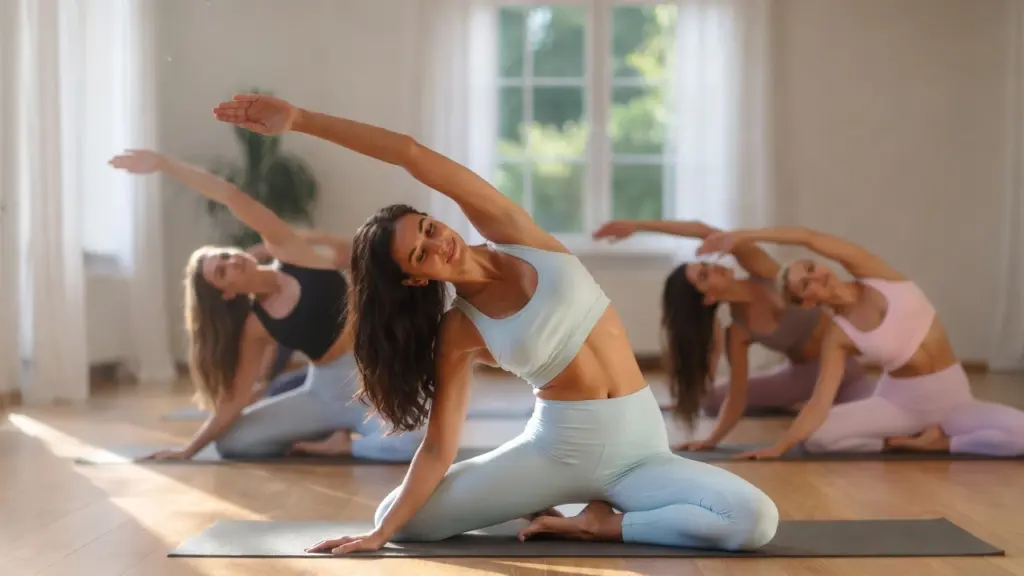
# Getting Started with Basic Yoga Poses for Beginners
Starting a yoga practice does not need to be complicated or overwhelming. With a handful of basic yoga poses you can begin to improve your flexibility and build strength while finding more calm in your daily life. This guide walks you through the essential poses that will help you begin your yoga journey in a safe and effective way.
## Why Yoga Works for Everyone
Yoga offers benefits that extend far beyond the physical practice. When you step onto your mat you are giving yourself time to connect your body with your mind. Regular practice helps reduce stress levels & improves your overall sense of wellbeing. The beauty of yoga lies in its accessibility since anyone can start regardless of their current fitness level or age.
## Essential Poses to Begin Your Practice
**Mountain Pose** serves as the foundation for all standing poses. You simply stand with your feet together and distribute your weight evenly across both feet. This pose teaches you proper alignment and helps you develop better posture throughout your day.
**Downward Facing Dog** stretches your entire body while building strength in your arms and legs. You start on your hands & knees then lift your hips up and back to create an inverted V shape with your body. This pose energizes you while also providing a moment of calm.
**Child’s Pose** offers a gentle resting position that you can return to whenever you need a break. You kneel on the floor & sit back on your heels while extending your arms forward & lowering your forehead to the ground. This pose helps release tension in your back and shoulders.
**Warrior One** builds strength in your legs while opening your chest and shoulders. You step one foot forward into a lunge position while raising your arms overhead. This powerful pose helps you develop stability and confidence.
**Tree Pose** challenges your balance while strengthening your legs and core. You stand on one leg and place the sole of your other foot against your inner thigh or calf. This pose improves your focus & concentration.
## Building Your Practice Safely
Listen to your body as you explore these poses. You should feel a gentle stretch but never sharp pain. Start with just a few minutes each day & gradually increase your practice time as you become more comfortable. Using props like blocks or straps can help you maintain proper form while you build flexibility. Breathing plays a crucial role in your yoga practice. Focus on taking slow and steady breaths through your nose. Your breath should guide your movements & help you stay present in each pose.
## Creating a Sustainable Routine
Consistency matters more than intensity when you are starting out. Practicing for ten minutes every day will benefit you more than an occasional hour-long session. Choose a time that works best for your schedule whether that is first thing in the morning or in the evening before bed. Set up a dedicated space in your home where you can practice without distractions. You only need enough room to stretch out comfortably. Having a designated area makes it easier to maintain your routine.
## Moving Forward with Confidence
As you become familiar with these basic poses you will notice improvements in how your body feels and moves. Your flexibility will increase & you will develop strength in muscles you may not have been aware of before. The mental clarity & stress relief that come with regular practice often prove to be the most valuable benefits. Remember that yoga is a personal journey without competition or comparison. Your practice belongs to you alone and progress looks different for everyone. With patience and regular effort these simple poses will become the foundation for a lifelong practice that supports your health & happiness.
Why Beginners Should Start Yoga
Yoga is not just about touching your toes or doing complicated poses. For beginners, it helps:
The Unexpected Benefits People Notice After 7 Days Of Yoga
- Increase flexibility
- Build core and body strength
- Reduce stress and anxiety
- Improve balance and posture
- Boost energy levels
Even practicing 10–15 minutes daily can make a big difference in your body and mind.
Top Yoga Poses for Beginners
# Best Yoga Poses for Beginners
Here are some of the best yoga poses that are easy to do and highly effective for beginners:
## Mountain Pose (Tadasana)
This foundational standing pose helps you understand proper alignment and posture. Stand with your feet together and arms at your sides. Distribute your weight evenly across both feet while engaging your thigh muscles. Lengthen your spine and reach the crown of your head toward the ceiling. This pose improves balance & body awareness.
## Child’s Pose (Balasana)
Child’s Pose is a restful position that gently stretches your back and hips. Kneel on the floor & sit back on your heels. Lower your torso forward between your thighs and extend your arms in front of you. Rest your forehead on the mat and breathe deeply. This pose relieves tension and promotes relaxation.
## Downward-Facing Dog (Adho Mukha Svanasana)
This classic pose strengthens your entire body while providing a good stretch. Start on your hands and knees. Lift your hips up and back to form an inverted V-shape with your body. Press your hands firmly into the mat and work toward straightening your legs. This pose builds strength in your arms & shoulders while stretching your hamstrings.
## Cat-Cow Pose (Marjaryasana-Bitilasana)
This flowing movement warms up your spine and improves flexibility. Begin on your hands and knees in a tabletop position. Arch your back while lifting your head and tailbone for Cow Pose. Then round your spine while tucking your chin & tailbone for Cat Pose. Move smoothly between these positions with your breath.
## Warrior I (Virabhadrasana I)
Warrior I builds strength & confidence while opening your chest and hips. Step one foot forward into a lunge with your front knee bent at 90 degrees. Turn your back foot slightly inward and keep that leg straight. Raise your arms overhead and gaze forward. This pose develops leg strength and improves balance.
## Tree Pose (Vrksasana)
Tree Pose teaches balance and focus while strengthening your legs. Stand on one leg and place the sole of your other foot on your inner thigh or calf. Bring your hands together at your chest or raise them overhead. Find a focal point to help maintain your balance. This pose enhances concentration & stability.
## Bridge Pose (Setu Bandha Sarvangasana)
Bridge Pose strengthens your back and opens your chest. Lie on your back with your knees bent and feet flat on the floor. Press into your feet and lift your hips toward the ceiling. Keep your shoulders grounded and clasp your hands beneath your body if comfortable. This pose energizes the body and stretches the spine.
## Corpse Pose (Savasana)
Every yoga practice should end with Savasana for complete relaxation. Lie flat on your back with your legs extended and arms at your sides. Close your eyes and allow your body to completely relax. Focus on your breath and let go of any remaining tension. This final pose integrates the benefits of your practice. These beginner-friendly poses create a solid foundation for your yoga journey. Practice them regularly to build strength & flexibility while developing better body awareness.
1. Mountain Pose (Tadasana)
This is the foundation pose for many yoga exercises.
Most People Do Yoga Wrong—Here’s The Right Way To Start
# How to do it:
The process begins by gathering all necessary materials & tools before starting any work. Make sure you have a clean workspace with adequate lighting and ventilation. Read through all instructions completely before beginning to understand each step. Start by preparing your materials according to the specifications provided. Measure everything twice to ensure accuracy before making any cuts or permanent changes. Lay out all components in the order you will need them to streamline the assembly process. Follow each step in sequence without skipping ahead. Take your time with each stage to avoid mistakes that could compromise the final result. If you encounter any difficulties stop & review the instructions again before proceeding. Check your progress regularly against the provided guidelines. Make adjustments as needed while the materials are still workable. Pay attention to alignment and positioning throughout the entire process. Once you complete the main assembly inspect everything carefully. Look for any gaps or misalignments that need correction. Test all moving parts if applicable to ensure they function properly. Apply any finishing touches according to your preferences. Clean up your workspace and dispose of waste materials appropriately. Store any leftover supplies in a safe place for future use. Allow adequate time for drying or setting if your project requires it. Avoid using or moving the finished product until it has fully cured. Follow any maintenance recommendations to keep everything in good condition. Remember that practice improves results over time. Don’t get discouraged if your first attempt isn’t perfect. Learn from any mistakes and apply that knowledge to your next project.
- Stand straight with feet together
- Keep arms at your sides, palms facing forward
- Breathe deeply and focus on standing tall
Benefits: Improves posture, strengthens legs, and increases awareness of your body.
2. Downward Dog (Adho Mukha Svanasana)
A classic stretching pose that works your whole body.
This Is Why Yoga Works Even When Nothing Else Does
# How to do it:
Here’s a step-by-step guide to help you complete this task effectively.
**Getting Started**
Before you begin make sure you have all the necessary materials and tools ready. This preparation will save you time and prevent interruptions during the process.
**Step 1: Understand the Requirements**
Read through all the instructions carefully before starting. This helps you get a clear picture of what needs to be done and prevents mistakes later on.
**Step 2: Prepare Your Workspace**
Set up a clean & organized area where you can work comfortably. Remove any items that might get in your way and ensure you have good lighting.
**Step 3: Gather Your Materials**
Collect everything you need for the task. Double-check your list to make sure nothing is missing. Having everything within reach makes the work go smoothly.
**Step 4: Follow the Process**
Work through each step methodically. Don’t rush or skip ahead. Take your time to do each part correctly before moving to the next one.
**Step 5: Check Your Progress**
Pause occasionally to review what you’ve done. This helps catch any errors early when they’re easier to fix.
**Step 6: Make Adjustments**
If something isn’t working as expected don’t be afraid to modify your approach. Sometimes a small change can make a big difference in the outcome.
**Step 7: Complete the Final Steps**
Finish the remaining tasks with the same care you used at the beginning. The last steps are just as important as the first ones.
**Step 8: Review Your Work**
Once you’re done take a moment to look over everything. Make sure you’ve completed all the requirements and that the quality meets your standards.
**Tips for Success**
Stay focused on one step at a time rather than thinking about the entire project. This makes the task feel less overwhelming and helps you maintain quality throughout. Keep your workspace tidy as you go. Cleaning up as you work prevents clutter from building up and makes the final cleanup much easier. If you encounter problems try to solve them calmly. Most issues have simple solutions if you approach them with a clear mind.
**Common Mistakes to Avoid**
Don’t skip the preparation phase. Jumping straight into the work without proper setup often leads to problems later. Avoid working too quickly. Speed comes naturally with practice but rushing usually results in errors that take longer to fix than they would have taken to prevent. Don’t ignore small details. What seems minor at first can become a bigger issue if left unaddressed.
**Finishing Up**
After completing all the steps clean your workspace and put away your materials properly. This keeps everything organized for next time & shows respect for your tools and space. Take pride in what you’ve accomplished. Each completed task builds your skills & confidence for future projects.
- Start on hands and knees
- Lift hips up to form an inverted V shape
- Keep heels reaching toward the floor and head relaxed
Benefits: Stretches hamstrings, calves, shoulders, and strengthens arms.
3. Cat-Cow Stretch (Marjaryasana-Bitilasana)
Perfect for warming up the spine and releasing tension.
How to do it:
- Start on hands and knees
- Arch your back upward (Cat)
- Drop your belly down and lift head (Cow)
- Repeat slowly with your breath
Benefits: Improves flexibility in the spine, reduces back pain, and enhances posture.
4. Warrior I (Virabhadrasana I)
This is a strengthening pose for legs and core.
How to do it:
- Step one foot forward and bend the knee
- Keep the back leg straight
- Raise arms above your head and look forward
# Benefits of This Exercise
This exercise helps build stronger legs through repeated movement and resistance. Your core muscles become more stable as they work to keep your body balanced during the activity. Your arms gain strength from supporting and moving your body weight. Regular practice leads to better stamina over time. Your cardiovascular system adapts and becomes more efficient. You can perform physical tasks for longer periods without feeling tired. Your muscles learn to work together more effectively as a unit. The combination of strength and endurance improvements makes everyday activities easier. You will notice better performance in sports and recreational activities. Your overall fitness level increases with consistent training sessions.
5. Child’s Pose (Balasana)
A resting pose for beginners to relax.
How to do it:
- Kneel on the floor and sit back on your heels
- Stretch arms forward on the mat
- Rest forehead on the ground
This pose helps reduce tension in your body while gently stretching the muscles in your hips & back. Regular practice can make your body more flexible over time.
Beginner Yoga Routine
Tips for Beginners
- Breathe deeply during every pose
- Move slowly and avoid rushing
- Use props like yoga blocks or cushions for support
- Listen to your body—never push into pain
Starting yoga as a beginner is easier than it seems. By practicing these simple poses regularly, you can improve flexibility, strengthen your muscles, and feel more relaxed. Yoga is not a competition—it is a journey toward a healthier, more balanced life.
Remember, consistency is key, and even a few minutes each day will bring noticeable changes in your body and mind.
FAQs
How often should beginners do yoga?
Beginners can start with 10 to 15 minutes each day and slowly add more time as they become more comfortable with the practice.
Do I need any equipment to start yoga?
No special equipment is needed. A u003cstrongu003eyoga matu003c/strongu003e is helpful, and props like blocks or cushions are optional.
Can yoga help me lose weight as a beginner?
Yes, regular practice improves metabolism and muscle tone, which can u003cstrongu003esupport fat loss and overall fitnessu003c/strongu003e.
Related Posts
The Unexpected Benefits People Notice After 7 Days Of Yoga
Most People Do Yoga Wrong—Here’s The Right Way To Start
This Is Why Yoga Works Even When Nothing Else Does
Why Your Body Responds To Yoga Faster Than Other Workouts
What Yoga Teaches Your Body That Exercise Cannot
Yoga Looks Simple—Until You Feel These Results
# Tags for Yoga Content
beginner yoga routine
best yoga poses
build strength
easy yoga
flexibility exercises
improve flexibility
yoga at home
yoga benefits
yoga for beginners
yoga tips
These tags cover essential topics for people starting their yoga journey. They include practical aspects like routines and poses along with the main benefits such as strength building and increased flexibility. The tags also address where people practice and what level they are at in their yoga experience.