
Understanding Tight Hips in Modern Life Tight hips have become a widespread physical issue that affects countless people today. The main culprit behind this problem is our increasingly sedentary lifestyle. When you spend most of your day sitting at a desk or on the couch your hip flexors and gluteal muscles gradually lose their flexibility & begin to contract. The situation gets worse when you factor in daily stress and neglect regular stretching exercises. Your hip muscles respond to these conditions by becoming even more restricted in their movement. This tightness doesn’t happen overnight but develops gradually over weeks and months of the same habits.
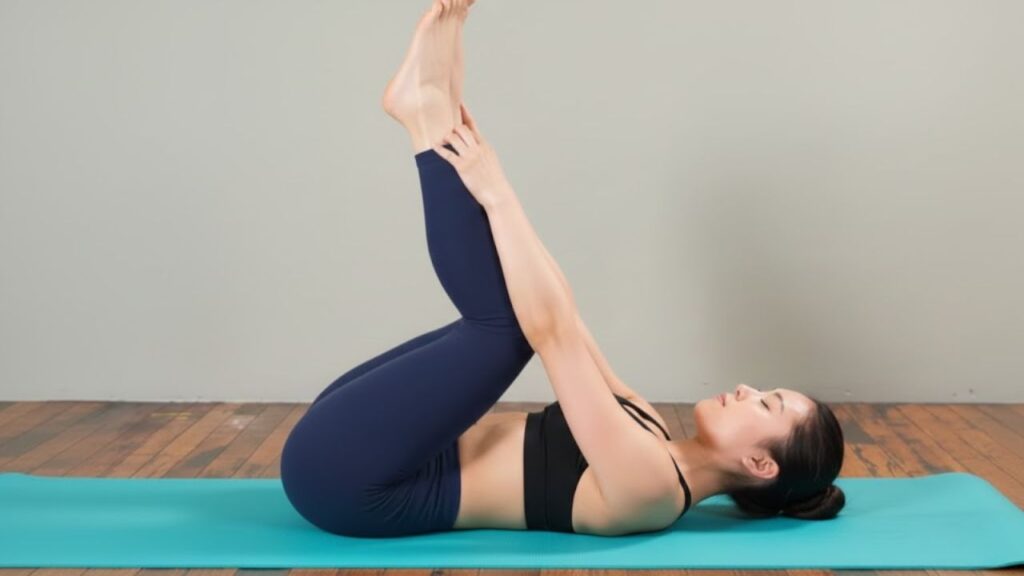
How Evening Yoga Gently Unlocks Tight Hips
Gentle Evening Yoga for Hip Tension Relief Gentle evening yoga provides an effective and natural way to release the daily tension that builds up in your hips. This practice is different from intense workouts because it focuses on slow stretches & controlled breathing combined with relaxation techniques. When you do hip-opening poses at night your body starts to unwind naturally. Your nervous system becomes calmer & your mind & muscles prepare for deep restful sleep.

Understanding Why Hips Become Stiff With Age and Routine
Hip stiffness builds up gradually instead of happening all at once. It comes from everyday habits & the physical demands we place on our bodies. Understanding the root causes shows why yoga works so well for fixing this problem. Spending hours sitting at a desk or in a car makes the hip flexor muscles contract and shorten. Without regular movement and stretching the muscles around your hips lose their strength. The hip area tends to hold onto stress and tension from daily life. Repeating the same motions over and over or pushing too hard during workouts leads to muscles developing unevenly. Poor posture adds unnecessary pressure to the hip joints.

The Real Benefits of Evening Hip-Opening Yoga
Adding hip-opening poses to your evening routine provides physical and mental benefits beyond flexibility. These poses release tension that accumulates throughout the day. They enhance hip mobility & promote joint health. You might experience reduced discomfort in your lower back and knees. Blood circulation to your pelvic region improves. The poses promote relaxation & better sleep quality at night. They also assist with stress management & decrease mental fatigue.
Butterfly Pose: A Calm Reset for Inner Hips
Butterfly Pose is a simple hip opening exercise that works well for beginners and focuses on the inner thighs and groin area. This relaxing pose works particularly well during evening yoga sessions. How to Practice Butterfly Pose Start by sitting down with your spine straight & your posture upright. Bend your knees outward and bring the soles of your feet together so they touch. Hold your feet or ankles gently with your hands. Allow your knees to lower toward the floor naturally without pushing them down. Breathe slowly and deeply while maintaining this position for one to two minutes. Benefits of Butterfly Pose This exercise opens the hip joints and lengthens the muscles along your inner thighs. It increases circulation in the pelvic area and helps release tension that accumulates from prolonged sitting. The pose also encourages mental relaxation and reduces stress.
Pigeon Pose: Releasing Deep-Seated Hip Tension
Pigeon Pose opens up the hips and works on tight hip flexors and glute muscles. This pose helps people who sit most of the day or deal with lower back tightness. How to Practice Pigeon Pose Begin on your hands & knees or start from downward dog. Bring one knee forward and set it down behind your wrist on that same side. Extend your opposite leg straight back. Keep your hips square and pointing forward as best you can. For a stronger stretch you can fold your torso forward over your bent leg. Hold this position for thirty to sixty seconds and then switch sides. Benefits of Pigeon Pose Hip-opening stretches give deep relief to the hip flexors & glute muscles. These stretches reduce stiffness that often develops in the lower back. Doing these poses regularly improves flexibility and makes the hip joints move more freely. Many people notice that working on hip flexibility also helps them let go of emotional stress stored in the body.
Garland Pose: Restoring Natural Hip Mobility
Reclined Figure Four is a gentle hip stretch done while lying on your back. This makes it ideal for relaxing before bed without putting pressure on your spine. How to Practice Reclined Figure Four Pose Lie flat on your back on a comfortable surface. Bend both knees & place your feet flat on the floor. Take your right ankle and rest it on your left thigh just above the knee. Your right knee will naturally point out to the side. Reach both hands behind your left thigh. You can either clasp your hands together or simply hold your leg with both palms. Gently pull your left leg toward your chest while your right ankle stays on your left thigh. You will feel a stretch in your right hip and buttock area. Hold this position for one to two minutes.
Breathe naturally and allow your body to relax into the stretch. Release the position and return to where you started. Switch sides by placing your left ankle on your right thigh and repeat the same steps. Hold the stretch on your left side for another one to two minutes before releasing. Benefits of Reclined Figure Four Pose Relaxes Tight Hip & Glute Muscles This stretch helps release tension that accumulates in your hips & glutes during the day. When these muscles get tight from sitting or exercise they can cause discomfort throughout your lower body. Stretching these areas regularly allows the muscles to lengthen and relax.

Reclined Figure Four: Relaxing the Hips Without Strain
Hip Opening Sequence Butterfly Pose – 2 minutes Sit on your mat & bring the soles of your feet together. Let your knees fall open to the sides. Hold your feet or ankles with your hands and sit up tall through your spine. You can gently press your elbows against your inner thighs if you want a deeper stretch. Stay here & breathe steadily for two full minutes.
Garland Pose – 1 minute- Move into a deep squat position with your feet slightly wider than hip width apart. Turn your toes out at an angle. Bring your palms together at your chest and use your elbows to gently push your knees apart. Keep your heels down if possible or place a folded blanket under them for support. Hold this position for one minute while breathing deeply. Pigeon Pose – 1 minute per side ,Start on all fours and bring your right knee forward behind your right wrist. Slide your left leg back and straighten it behind you. Square your hips toward the front of your mat. You can stay upright or fold forward over your front leg. Hold for one minute then switch to the left side for another minute.
Reclined Figure Four – 2 minutes per side- Lie on your back & bend both knees with your feet flat on the floor. Cross your right ankle over your left thigh just above the knee. Reach through the space between your legs and clasp your hands behind your left thigh. Gently pull your left leg toward your chest. Keep your head and shoulders relaxed on the mat. Hold for two minutes then repeat on the other side. End with relaxed breathing in a resting position.Finish your practice by lying flat on your back in a comfortable position. Let your feet fall open naturally & rest your arms by your sides with palms facing up. Close your eyes and take slow natural breaths. Stay here for as long as you need to feel completely relaxed.
Comparing Gentle Hip-Opening Poses for Evening Practice
| Yoga Pose | Level | Main Hip Focus | Recommended Hold |
|---|---|---|---|
| Butterfly Pose | Beginner | Inner thighs, groin area | 1 to 2 minutes |
| Pigeon Pose | Intermediate | Hip flexors and glute muscles | 30 to 60 seconds |
| Garland Pose | Beginner to Intermediate | Hip joints and upper thighs | 30 to 90 seconds |
| Reclined Figure Four | Beginner | Outer hips and glutes | 1 to 2 minutes |
A Simple 15–20 Minute Night Yoga Flow for Tight Hips
Practice these movements with careful attention to how your body feels. Avoid pushing yourself into positions that cause discomfort. Keep props like cushions blocks or blankets nearby to help support your body during the exercises. Stop right away if you experience any sudden or intense pain. Make sure your stomach is empty or you have only eaten something light before beginning your practice.
Safety Tips for a Comfortable and Injury-Free Evening Practice
Practice these movements with careful attention to how your body feels. Avoid pushing yourself into positions that cause discomfort. Keep props like cushions blocks or blankets nearby to help support your body during the exercises. Stop right away if you experience any sudden or intense pain. Make sure your stomach is empty or you have only eaten something light before beginning your practice.
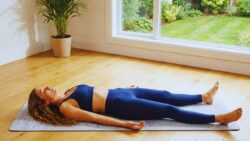 Gentle Night Yoga Sequence With 3 Poses That Calm the Body and Encourage Deeper Restful Sleep
