# Understanding Workplace Seating Choices The way people choose their seats at work tells us something meaningful about their personality and work style. This happens in offices throughout the United States every day. While personality tests try to measure who we are simple behaviors like picking a chair often show more truth. Seating decisions happen in different settings. Open office layouts present one set of choices. Conference rooms offer another. Break rooms create yet another environment where people make these decisions. Most workers do not think carefully about where they sit. The choice feels automatic. However, research in workplace psychology shows these decisions follow patterns. Several factors influence where someone sits. Personal comfort plays a role. Some people need more personal space than others. Confidence level matters too. A person who feels secure in their role might choose differently than someone who feels uncertain. Relationships with coworkers also shape these choices. People tend to sit near those they trust or want to impress. The physical environment creates different options. Some seats face windows. Others face walls. Some chairs sit at the head of a table. Others line the sides. Corner positions offer different advantages than middle seats. Each location sends a subtle message about how someone sees their role in the group. Managers who notice these patterns gain useful information. They can identify who feels comfortable speaking up. They can see which employees prefer to observe before participating. They can spot natural leaders and those who need more encouragement. This awareness helps create better team dynamics. Employees benefit from this awareness too. Understanding your own seating habits reveals something about your work style. It might show whether you seek attention or prefer staying in the background. It could indicate if you feel defensive or open to collaboration. This self-knowledge helps people work more effectively with others. The consistency of these choices matters most. Someone who always picks the same type of seat shows a clear preference. Someone who varies their choice might be more adaptable. Both patterns provide insight into how that person approaches their work & relationships. These observations work best when combined with other information. Seating choice alone does not define anyone. However, when viewed alongside communication patterns and work habits, it adds another piece to understanding workplace behavior. The goal is not to judge but to understand what helps each person contribute their best work.
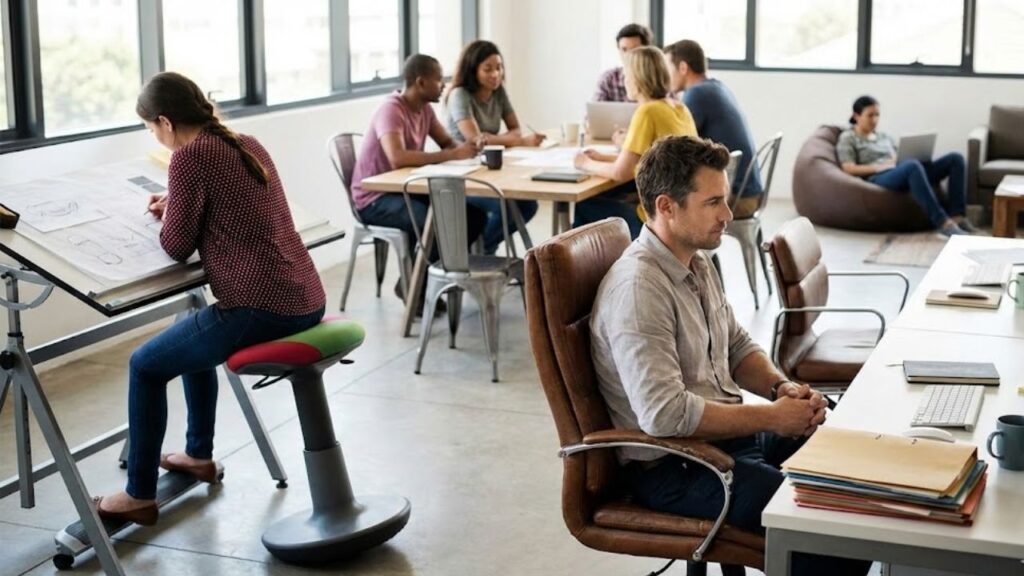
How chair choice psychology shapes work identity
The psychology behind chair selection often shows how people view themselves at work. Those who pick the same seat every time usually value seating choice as part of their daily habits. This behavior signals that they are reliable & like structure. Choosing to sit at the head or center of a table can show status signaling. Picking seats on the edge or in corners might mean someone wants personal boundaries. Some people focus mainly on ergonomics and good posture. This shows they have a strong comfort priority. These seating choices quietly reveal confidence & self-awareness. They also show how much attention someone wants in professional environments.
 A psychologist is adamant: “the best stage of a person’s life is when they start thinking like this”
What your office chair reveals about teamwork style
Your choice of seat in meetings reveals how you interact with your team. People who sit near their coworkers usually have a strong collaboration style because they enjoy conversation & exchanging ideas. When someone picks a spot close to the boss it might show they understand power distance. Those who switch up their seating arrangements often demonstrate higher risk tolerance. Workers who change where they sit depending on who attends the meeting typically possess sharp social awareness. These seating habits shape how others view your friendliness and willingness to work together.

Chair preferences and focus at the workplace
Chair selection relates directly to focus & work output. People who sit away from high-traffic areas often show a clear preference for quiet spaces to reduce interruptions and maintain efficiency. Picking comfortable seating during peak hours may indicate a practical approach to workspace planning. Some people choose spots with good sightlines because they want more control over their surroundings. Workers who switch seats frequently tend to have strong adaptability skills & can adjust quickly when tasks change or team needs shift.
Summary or Analysis
Although it seems minor, chair selection offers valuable insight into workplace behavior. These patterns help explain unspoken dynamics in offices and meetings. Understanding this aspect of human interaction encourages empathy and better communication among teams. When leaders and employees notice how seating choices shape interactions they can foster environments that respect different working styles and improve overall collaboration.
| Chair Position | Common Trait | Work Behavior |
|---|---|---|
| Head of table | Leadership-oriented | Takes initiative |
| Near colleagues | Team-focused | Encourages discussion |
| Corner or edge | Independent | Prefers autonomy |
| Same seat daily | Routine-driven | Values consistency |
| Flexible seating | Adaptive | Handles change well |
Frequently Asked Questions (FAQs)
1. Does chair choice really reflect personality?
# Understanding Seating Habits Through Psychology Psychology indicates that the way people choose where to sit frequently reflects their personal comfort requirements & how they interact socially with others. Research in environmental psychology shows that seating preferences reveal important information about individual personality traits and social dynamics. When someone enters a room they typically make quick decisions about where to position themselves based on multiple factors including their mood and relationship with others present. People who prefer corner seats or positions against walls often seek security and like having a clear view of their surroundings. This behavior connects to basic survival instincts where maintaining awareness of potential threats was essential. These individuals may feel more relaxed when they can observe without feeling exposed. Those who choose central locations usually display more confidence and enjoy being part of group interactions. They feel comfortable with attention & prefer staying connected to conversations happening around them. This seating choice suggests extroverted tendencies & a desire for social engagement. Personal space requirements also influence seating decisions significantly. Some people need more physical distance from others to feel comfortable while some prefer closer proximity. Cultural background plays a role in these preferences as different societies have varying norms about appropriate personal space. The relationship between seating choices and comfort extends beyond just physical positioning. Temperature preferences and lighting conditions affect where people want to sit. Someone who feels cold might choose a spot near a heater while another person might prefer a cooler area near a window. Social hierarchies become visible through seating arrangements in professional settings. Leaders often occupy head positions at tables while others arrange themselves based on their perceived status or relationship to authority figures. These patterns happen naturally without explicit discussion in most cases. Understanding these psychological patterns helps create better spaces for different activities. Designers can arrange furniture to accommodate various comfort needs & encourage desired social interactions. This knowledge proves valuable in offices & schools & public spaces where people gather regularly.

2. Can managers use seating patterns to understand teams?
# Understanding Workplace Dynamics Through Seating Arrangements The way people choose where to sit in meetings & shared spaces reveals important information about how they prefer to communicate and work with others. When someone consistently selects a seat at the head of a table they often demonstrate leadership tendencies and a desire to guide discussions. These individuals typically feel comfortable taking charge and directing group conversations toward specific goals. People who sit near the center of a room usually enjoy being part of active discussions. They want to engage with multiple colleagues & contribute their ideas freely. This central positioning allows them to interact easily with everyone around them. Those who prefer seats along the edges or corners of a space may value observation over immediate participation. They often process information internally before speaking and appreciate having time to formulate thoughtful responses. This doesn't indicate disengagement but rather a different approach to collaboration. Employees who frequently change their seating positions demonstrate flexibility in their working style. They adapt easily to different team dynamics and feel comfortable in various roles within group settings. Seating proximity also matters significantly. Colleagues who consistently sit near each other often have established working relationships or complementary skills. They may collaborate regularly on projects and have developed efficient communication patterns. Understanding these seating preferences helps managers create better meeting environments & team structures. Recognizing that different positions serve different communication needs allows leaders to design spaces that accommodate various working styles. This awareness also helps team members understand their colleagues better. Recognizing that someone's seating choice reflects their collaboration style rather than their interest level promotes more inclusive and effective teamwork.
3. Do seating preferences change over time?
They can shift as roles, confidence levels, and work environments change.
4. Is one chair choice better than another?
No each preference shows different strengths instead of right or wrong behavior.