
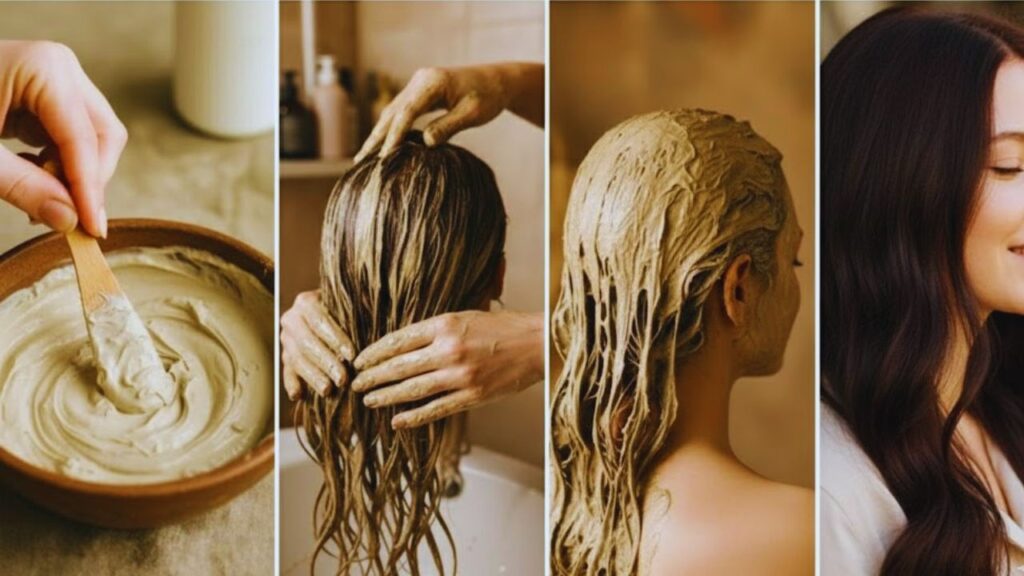
The first time I used henna to dye my hair the kitchen smelled like an old pharmacy. The air carried scents of wet dirt and dried leaves that felt warm and strangely pleasant like someone had soaked soil in hot water. A ceramic bowl sat on the counter filled with deep green paste that looked thick and shiny like melted chocolate mixed with plant matter. I paused for a moment with the spoon hanging over the bowl and wondered if this muddy mixture could really work as well as the shiny boxes of hair dye at the drugstore. Then I dipped the brush in the paste & sectioned my hair and spread it through my strands. The henna felt cool and thick like a face mask on my scalp and this natural hair color started to stain my hands and my hair and later changed how I thought about beauty.
Why Henna Still Feels Like Hair Alchemy
Walking down a modern hair dye aisle can feel overwhelming with strong chemical smells and flashy product claims covering every box. Most people accept that ammonia and peroxide are necessary to get the hair color they want. Henna provides a completely different approach. This natural dye comes from the Lawsonia inermis plant and people have used it for thousands of years to color hair and skin. When you mix henna powder with warm water the lawsone pigment releases gradually and attaches gently to the keratin in your hair. Rather than damaging your hair like chemical dyes do henna coats each strand with a protective layer that makes hair stronger and shinier. The natural earthy smell reminds you of dried leaves and tea instead of harsh chemicals. Using henna turns hair coloring into a relaxing experience rather than a quick cosmetic chore you want to finish as fast as possible.
 The Ordinary Serum Called Filler in a Bottle Is Gaining Attention for Visible 40s Skin Results
How to Choose Truly Pure, Honest Henna
The quality of henna makes all the difference. Real henna should be completely pure body-art-quality powder without any metallic salts or synthetic dyes. Many disappointing results happen because of compound hennas that contain hidden chemical additives. Good quality henna has a soft and finely sifted texture with a grassy fresh smell & it never sparkles or has an artificial odor. Freshness matters a lot because henna loses its staining power as time passes. It is important to read labels carefully and buy from trustworthy sources. You are not simply buying color but choosing a plant that has been grown and harvested and ground with attention. When henna is respected as a living material the results on hair become richer and more reliable.
 10-Minute Yoga Flow: A Fast Daily Routine That Boosts Flexibility Mobility and Whole Body Movement
Setting Up an Easy, No-Stress Henna Ritual
Henna needs only basic supplies. You can use a glass bowl or ceramic bowl or stainless-steel bowl along with a spoon and gloves and an applicator brush and plastic wrap & an old towel. Stay away from reactive metals and make sure to protect your hands and clothes. What matters more than the tools is having patience. Henna takes its time & releases color over several hours instead of just a few minutes. When you compare it to fast chemical dyes henna is more like making a slow-cooked meal because it requires deliberate effort and a calm approach & gives you a rewarding result.
| Ingredient | Main Advantage | Best Suited For |
|---|---|---|
| Amla Powder | Balances bright red tones into cooler auburn shades while adding volume | People wanting to tone down orange hues and achieve a natural brown-red look |
| Indigo Powder | Deepens henna results into dark brown or almost black shades | Those seeking strong grey coverage or rich brunette hair color |
| Cassia (Neutral Henna) | Adds shine and mild golden warmth without strong color change | Light or blonde hair types looking for gloss and softness |
| Black Tea / Coffee | Enhances depth and richness of the overall hair tone | Medium to dark hair needing a deeper and more intense finish |
| Chamomile Tea | Gently brightens hair with natural golden highlights | Lighter hair shades wanting a soft sun-kissed effect |
| Aloe Vera Gel | Boosts moisture, smoothness, and paste consistency | Dry, curly, or damaged hair requiring extra hydration |
| Essential Oils (Lavender, Rosemary) | Improves aroma and supports scalp relaxation or stimulation | Users sensitive to henna smell or focused on scalp health |
A Timeless Henna Blend for Warm Copper Glow
The simplest recipe creates warm copper shades. Combine pure henna powder with hot tea until the mixture looks like yogurt. You can add lemon juice or apple cider vinegar to help release the dye if your scalp can handle slight acidity. Let the mixture sit for 4 to 8 hours until the color gets darker. Spread it evenly through clean hair and wrap it up securely. Leave it on for 2 to 4 hours before rinsing. The color might look bright orange right after rinsing but it will change over a few days. It will oxidize into a more natural copper or auburn tone based on your original hair color.
Building Auburn and Brown Shades Naturally
Henna colors can be made lighter or darker by mixing them with other natural powders. When you combine henna with amla powder it reduces the brightness and creates cooler reddish-brown tones while also improving hair texture. If you want brown or chocolate colors the best approach is to use two separate steps. First you apply henna to create a red foundation and then you apply indigo on top to make the color darker. This method gives you more control and more predictable outcomes particularly on light to medium hair. The final results can range from chestnut brown to almost black depending on how you apply the products.
 Short Haircut Ideas for Fine Hair That Create Natural Lift and Make Thin Strands Look Thicker
The Quiet Power of Plant-Based Hair Colour
You can adjust henna colors by mixing them with other natural powders. Adding amla powder to henna makes the color less bright & gives you cooler reddish-brown shades while making your hair feel better. For brown or chocolate tones you should use a two-step process. Start by putting henna on your hair to build a red base and then add indigo over it to darken the shade. This approach works better because you have more control and can predict the results more easily on light to medium hair. You can get anything from chestnut brown to nearly black depending on how you use the products.
Henna Gloss Secrets for Shine and Soft Tint
Henna colors can be made lighter or darker by mixing them with other natural powders. When you combine henna with amla powder it reduces the brightness and creates cooler reddish-brown tones while also improving hair texture. If you want brown or chocolate colors the best approach is to use two separate steps. First you apply henna to create a red foundation and then you apply indigo on top to make the color darker. This method gives you more control and more predictable outcomes particularly on light to medium hair. The final results can range from chestnut brown to almost black depending on how you apply the products.
Layering Henna to Discover Your Perfect Shade
You can adjust henna colors by mixing them with other natural powders. Adding amla powder to henna makes the color less bright & gives you cooler reddish-brown shades while making your hair feel better. For brown or chocolate tones you should use a two-step process. Start by putting henna on your hair to build a red base and then add indigo over it to darken the shade. This approach works better because you have more control and can predict the results more easily on light to medium hair. You can get anything from chestnut brown to nearly black depending on how you use the products.
 Balance Training Routine Featuring 11 Exercises That Help Seniors Improve Stability and Reduce Falls
