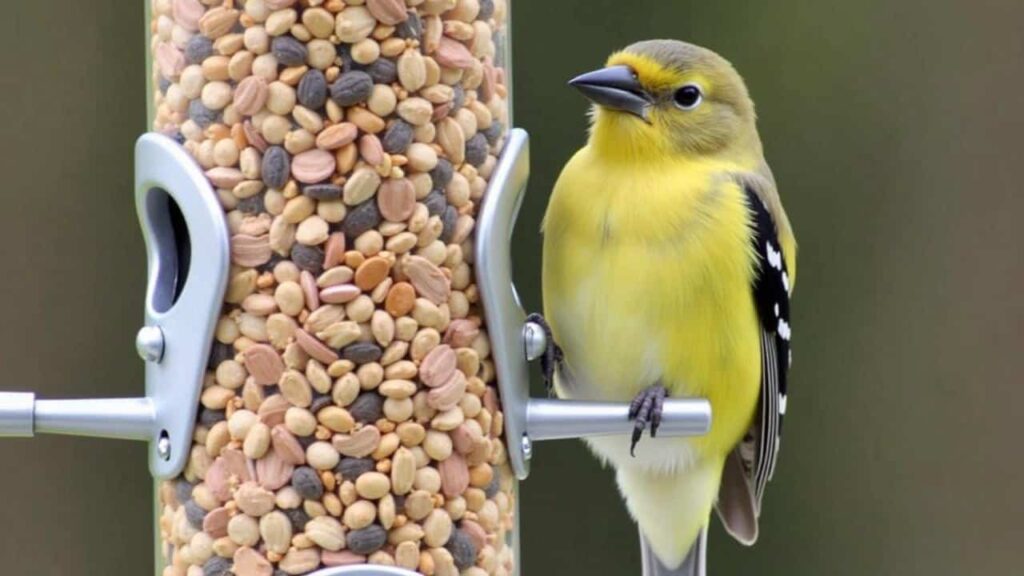
All over the UK and US, people are hanging up seed feeders in a bid to help birds through the cold months. Yet the same well‑meant gesture can quietly turn dangerous if those seeds get damp, mouldy or frozen solid. A quick check of what you are putting out can literally make the difference between life and death for your garden visitors.
When a kind gesture turns into a health nightmare
Feeding birds in winter has become a staple of wildlife‑friendly gardening. Shops are full of seed mixes, fat balls and stylish feeders. The instinct behind it is generous: wild birds face short days, long nights and shrinking natural food sources. Extra calories from gardens genuinely help them survive.
 6 minutes of darkness get ready for the longest eclipse of the century that will turn day into night
The problem starts when seed is left out without any thought for the weather. Rain, sleet, wet snow or even persistent damp air can seep into feeders. Within hours, those neat, dry seeds are no longer what you paid for.

Once bird seed has absorbed moisture, its nutritional value drops fast and the risk of disease shoots up.
Birds at the edge of their energy reserves need dense, reliable fuel. Instead, wet seed offers fewer usable calories and a perfect breeding ground for microbes. The feeder that looked generous from your kitchen window can quietly become a health hazard.
Hidden enemies: mould, bacteria and silent outbreaks
The real danger of damp seed is rarely visible at first glance. A feeder can look reasonably tidy, yet already host a thriving layer of fungi and bacteria.
Under humid conditions, seeds start to ferment. Microscopic moulds such as aspergillus spread quickly across the surface. Certain strains can cause a serious condition known as aspergillosis, which attacks the respiratory system. Birds may struggle to breathe, lose weight and die out of sight in hedges or dense shrubs.
Then there are bacteria. Salmonella, for instance, can multiply in dirty or wet seed trays. It spreads swiftly wherever many birds gather and defecate around food.
Dirty or mouldy feeders can trigger local disease outbreaks that wipe out whole groups of finches or sparrows visiting the same gardens.
Signs of trouble are often subtle: a bird sitting fluffed up for long periods, eyes half closed, or simply failing to react much to movement. By the time such symptoms are obvious, the damage is often done.
Warning signs on your feeder
A quick visual check every day or two catches most problems early. Watch for:
- seeds that look darkened, clumped or slimy
- a sour or musty smell when you open the feeder
- green, white or black fuzz on seed or feeder surfaces
- piles of uneaten seed sitting in a wet tray
If you spot any of these, empty the feeder, bin the contents and scrub everything thoroughly before refilling.
Frozen blocks: when your feeder becomes a pointless workout
Cold snaps bring a second, less obvious trap. After heavy rain or drizzle, temperatures can drop sharply overnight. Any moisture absorbed by the seed then freezes solid.
The result is a rock‑hard block of food that looks generous from a distance but is almost impossible to use.
For a tiny bird burning energy just to stay warm, pecking at frozen seed blocks is like trying to eat concrete for dinner.
Birds may waste precious minutes hammering away at solid lumps, gaining almost nothing. That wasted effort has a cost. A blue tit can lose up to a tenth of its body weight on a single freezing night. If it cannot replenish enough calories the following day, it may not survive the next cold spell.
Choosing the right kit to keep food dry
Preventing moisture problems starts with the feeder itself. Some designs fend off rain and damp far better than others.
Why silo feeders beat open trays
Silo or tube feeders made from metal or sturdy plastic tend to protect seed more effectively than open platforms. Their main advantages:

- limited surface area exposed to the air
- small feeding ports that shed water
- better protection from bird droppings falling onto the food
Open trays and flat tables still have their place, especially for ground‑feeding species like dunnocks or juncos. Yet in wet winters they need closer supervision, smaller quantities of food and very regular cleaning.
Placement matters as much as design
Where you hang the feeder shapes how wet it gets. Small adjustments can cut moisture dramatically:
- pick a spot sheltered from prevailing wind and driving rain
- use the overhang of a roof, porch or balcony to keep most rain off
- hang feeders near dense shrubs or hedges that break the wind (while still keeping good views to spot cats)
- add a simple rain hood or dome above open feeders
A well‑placed feeder often stays dry longer than a more expensive model hung in the wrong spot.
Daily habits that keep winter feeding safe
Beyond hardware, small routine changes make a huge difference to bird safety and food quality.
Feed little, but often
Overfilling feeders is tempting, especially before a busy week. Yet large volumes of seed sit around for days, absorbing moisture and collecting droppings. A better approach is to top up modestly and more frequently.
| Feeder type | Suggested refill pattern |
|---|---|
| Small tube feeder | Fill for roughly 1 day of use, check daily |
| Open tray or table | Put out just a single day’s ration, clear leftovers each evening |
| Fat balls / suet blocks | Hang 1–2 at a time, replace when almost eaten or after several very wet days |
Cleaning: the unglamorous step that saves lives
Regular cleaning is one of the strongest protections against disease. Aim to:
- empty and scrub feeders with hot water and a mild disinfectant at least once a week
- rinse thoroughly and allow them to dry fully before refilling
- move the feeding station slightly every few weeks to prevent droppings building up in one patch of ground
Think of feeder cleaning as part of basic bird care, on a level with fresh water and good seed.
Picking the right food for wet weather
Not all foods behave the same way in the rain. Some go mushy and mouldy quickly; others shrug off damp for longer.
Better choices on rainy weeks
- High‑quality suet blocks or fat balls stay usable longer in drizzle, offering dense calories with less mould risk.
- Peanuts in mesh feeders resist light showers, though they still need checking and should never be offered salted or flavoured.
- Black sunflower seeds are rich in oil and energy but must be kept very dry and used fairly quickly.
Mixed seed sold very cheaply often contains large amounts of filler grains that birds barely touch. These leftovers are precisely what sit around, get wet and start to rot. Spending a little more on mixes without bulking agents leads to cleaner feeders and healthier birds.
Beyond feeders: making your garden feed birds by itself
Feeders are just one piece of winter support. A garden that supplies natural food sources reduces the pressure on any single feeder and keeps birds foraging widely.
Planting berry‑bearing shrubs such as hawthorn, holly, pyracantha or dogwood gives birds sheltered, weather‑proof snacks. Leaving some seed heads standing on perennials, instead of cutting everything back in autumn, provides extra foraging spots for finches and sparrows.
A mixed approach – some feeders, some natural food – helps birds spread their risk and reduces disease transmission at crowded feeding stations.
Common questions and scenarios
What if I go away for a week?
Birds quickly adjust their routes. They visit multiple gardens and wild patches daily. If you plan to be away, do not overfill feeders in advance. That simply creates a pile of stale food. Instead, let feeders empty naturally before you leave. Birds will shift to other sources and return once your garden station comes back into action.
Should I stop feeding altogether if I spot sick birds?
If you notice several unwell birds, pause feeding in that specific spot for at least a couple of weeks and clean all equipment thoroughly. This break reduces crowding and interrupts disease spread. During this time, enhancing natural cover and food with shrubs, leaf litter and seed heads still benefits birds without concentrating them in one place.
Key terms that matter for winter bird care
Two phrases often used by vets and conservation groups are worth understanding:
- Cross‑contamination: when droppings or saliva carrying germs spread from one bird to another via shared surfaces like perches, trays or seed husks.
- Carrying capacity: the number of birds a small area can support without overcrowding, food shortages or disease flare‑ups. Sensible feeding respects those limits rather than forcing ever larger flocks into one tiny corner of a garden.
Keeping winter feeding safe is less about buying more products and more about watching closely, adjusting quickly and treating your feeders as part of a living, changing system. A few extra minutes spent checking if those seeds are dry, loose and fresh really can keep your winter visitors alive until spring.