Here are 11 carefully designed balance exercises for older adults that help reduce the risk of falls and support long-term independence. Falls are a leading cause of injury in people over 65, but regular balance training can significantly improve stability, coordination, and muscle strength. These exercises are simple, practical, and easy to adapt to daily life.
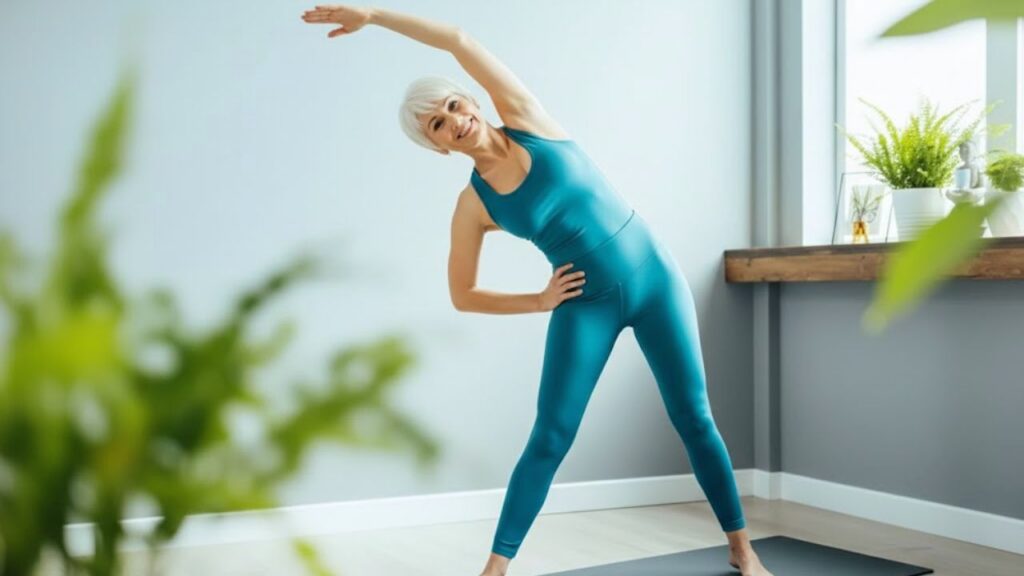
1. Controlled Weight Shifts for Body Awareness
Weight-shifting exercises help your body recognize how to stay centered and stable. This improves balance reactions and confidence during everyday movements.

How to practice

Stand with your feet hip-width apart. Slowly shift your weight to one side without lifting your feet. Hold briefly, then return to center. Repeat on the other side. Move slowly and with control.
2. Standing Heel Lifts for Ankle Strength
Heel lifts strengthen the calf muscles and ankles, which are essential for walking, climbing stairs, and maintaining balance.
How to do it
Stand tall with feet hip-width apart. Hold a chair or counter if needed. Raise your heels so you are standing on the balls of your feet. Hold for one to two seconds, then slowly lower down.
3. Forward and Backward Stepping for Stability
This exercise improves balance control while moving, helping prevent stumbles and missteps.
How to perform
Stand with feet hip-width apart. Step one foot forward and return to center. Then step the same foot backward and return. Repeat on the opposite leg.
4. Feet-Together Standing for Core Balance
Standing with a narrow base challenges your balance and activates your core muscles.
How to practice
Stand with arms extended to the sides. Slowly bring your feet together until they touch. Hold as long as comfortable.
5. Walking with Head Turns for Coordination
This movement trains your balance system to stay steady while your head and eyes move.
How to do it
Walk forward slowly. Turn your head to the right, then return to center. Next, turn to the left. Continue alternating while walking.
6. Side-to-Side Stepping for Lateral Balance
Side-stepping improves hip strength and stability, which helps prevent sideways falls.
How to perform
 Brain Teaser Puzzle That Challenges Your Attention to Spot 3 Subtle Differences in These Fox Images
Stand with feet hip-width apart. Step to the right, bring the left foot in, and continue. Reverse direction to return.
7. Forward Step-Ups for Leg Strength
Step-ups prepare your body for stairs and curbs encountered daily.
How to do it
Stand facing a step. Step up with one foot, bring the other foot up, then step down one foot at a time. Alternate the leading leg.
8. Side Step-Ups for Hip Stability
This exercise strengthens the hips and improves side-to-side balance control.
How to perform
Stand sideways next to a step. Step up with the foot closest to the step, bring the other foot up, then step back down. Repeat on both sides.
9. Heel-to-Toe Standing for Balance Focus
Tandem standing challenges your balance by narrowing your base of support.
How to do it
Place one foot directly in front of the other, heel touching toes. Hold the position, then switch sides.
10. One-Leg Standing for Overall Stability
Single-leg standing improves strength, coordination, and balance awareness.
How to perform
Stand near a sturdy surface. Lift one foot and balance on the other leg. Hold as long as possible, then switch legs.
11. Cross-Step Walking for Advanced Coordination
Also known as the grapevine exercise, this movement improves coordination and dynamic balance.
How to do it
Step one foot across the body, then step the other foot to the side. Alternate crossing in front and behind as you move sideways. Reverse direction to return.