
You open the cabinet, reach for the cumin, twist the lid… and smell almost nothing. The label says “best before 2021”, but that’s not what really stings. What hurts is remembering how punchy that same jar used to be. Now it’s just dusty orange powder, more visual garnish than flavor.
You close it, shrug, and sprinkle it anyway. Dinner will be fine. Just not great.
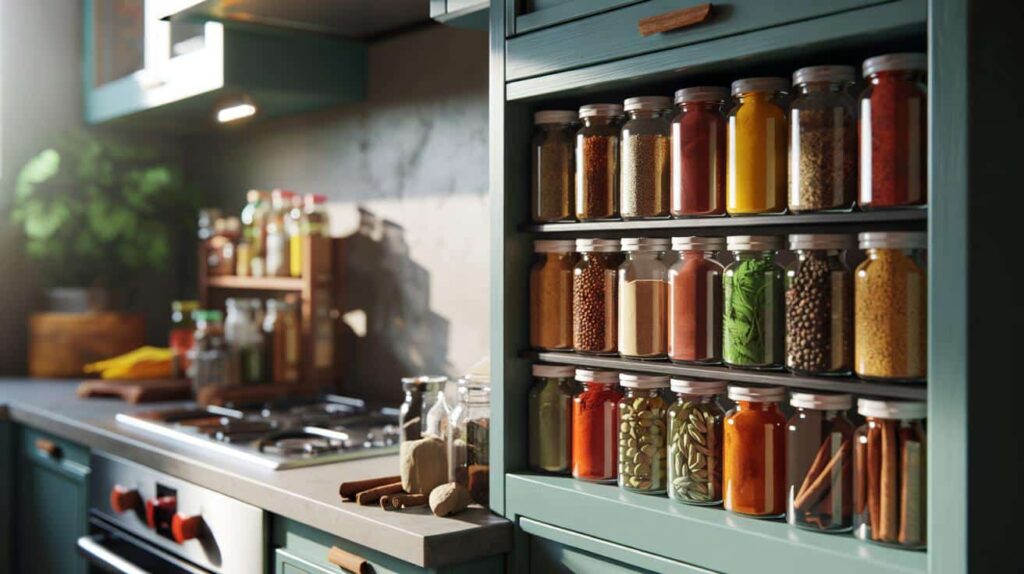
At some point, we all realize the tiny jars lining our shelves are quietly fading away.
The good news: they don’t have to.

The real enemy of your spices isn’t time, it’s your kitchen
Walk into most home kitchens and you can guess a lot just by the spice setup. Glass jars marching above the stove. A pretty rack hanging on the wall. Tiny metal tins stuck magnetically to the side of the fridge, catching the light. It looks organized, even stylish.
 Calming Yoga Routine With 5 Poses That Relax the Nervous System and Support Better Night-Time Sleep
Flavor-wise? It’s a slow-motion disaster.
Heat, light, and air are chewing through those precious oils day after day.
I once cooked with a friend who swore she had “every spice under the sun”. She did, technically. Rows of colorful jars in a Pinterest-perfect rack right above her gas burners. When she opened the paprika, we both leaned in and sniffed. Nothing.
We started lining up jars and checking dates. Nutmeg from five years ago. Coriander that smelled like cardboard. Dried basil that might as well have been crushed leaves from the garden path. She looked genuinely shocked.
“We’ve been eating with this?” she asked, half laughing, half horrified.
Spices lose their flavor because their essential oils evaporate or oxidize. Heat speeds up that process, light breaks down delicate compounds, and oxygen slips in every time a lid is opened. Humidity clumps powders and wakes up tiny microbes that don’t care about your tikka masala dreams.
So the cute rack near the oven, the little jars on the sunny windowsill, the open bag of turmeric on the counter? That’s basically a lab experiment in how to flatten flavor. *If you’ve ever wondered why restaurant dishes taste more intense than yours, this is one quiet reason.*
This is the best way to store spices so they stay alive longer
The gold standard is boring to look at and brilliant for flavor: cool, dark, dry, and airtight. Translation in a normal home: a closed cabinet or drawer away from the stove, oven, and dishwasher. Ideally not right above a radiator or where sunlight pours in.
Pour spices into small glass jars with tight-sealing lids, label them clearly, and tuck them into that cabinet. Whole spices stay in one section, ground ones in another. You want to open the door and see a calm, shaded archive of smell, not a colorful battlefield.
If your current situation is nowhere near that, you’re in good company. We’ve all been there, that moment when you realize the big bag of chili powder has been living rolled up with a rubber band next to the kettle. Or your “drawer system” is twenty half-torn sachets sliding around like confetti.

Start small. Pick the five spices you actually use the most — say salt, pepper, paprika, cumin, cinnamon — and give them a “VIP shelf” in the cool cabinet. Transfer them to jars, label them, and commit to always closing the lids fully. You’ll taste the difference within a week.
Let’s be honest: nobody really does this every single day. But doing it most of the time already buys you months of extra flavor.
“People think their cooking needs more recipes,” says one pastry chef I interviewed. “Often, it just needs fresher spices stored like they actually matter.”
- Store spices in an opaque or dark cabinet, away from heat and direct sun.
- Use small, airtight containers; glass or metal with tight lids works best.
- Keep whole spices whole and grind in small batches just before using.
- Write the purchase date on each jar so you know when it’s time to refresh.
- Test tired spices by crushing a pinch between your fingers and smelling deeply.
Living with spices that actually taste like something
Once your spices are tucked away like this, something subtle shifts in the kitchen. That lazy weekday soup suddenly smells like it’s had more love. A pinch of properly stored smoked paprika can lift roasted potatoes from “fine” to “people ask for the recipe”.
You might start cooking simpler food, strangely enough. When dried oregano still bites, when cardamom perfumes the air the moment you crack the pod, you don’t need twelve ingredients to impress yourself.
This isn’t about chasing perfection or throwing everything out at the first sign of age. It’s about treating those little jars as the flavor investments they really are. You paid for their aroma, not just their color.
Some days you’ll toss spice jars back into the cabinet without thinking. Some days a bag of turmeric will live open on the counter. Then one night, you’ll open a jar of cumin, breathe in, and quietly celebrate that it still smells like cumin. That’s the quiet win good storage buys you.
Next time you cook, take ten seconds and really smell your spices before they hit the pan. Notice which ones still spark something in you and which ones feel like dead weight. Then maybe share a photo of your “before” spice chaos and your “after” setup with someone who loves to cook.
Kitchen habits spread quickly. So does better flavor.

| Key point | Detail | Value for the reader |
|---|---|---|
| Protect from heat and light | Store spices in a closed cabinet or drawer away from the stove, oven, and sun | Slows down flavor loss and keeps aroma intense for longer |
| Use airtight, small containers | Glass or metal jars with tight lids, filled in modest quantities | Reduces contact with air and moisture, limiting clumping and oxidation |
| Prioritize whole spices | Buy whole when possible and grind small amounts just before cooking | Maximizes freshness and can transform everyday dishes with minimal effort |
FAQ:
- How long do dried spices really last?Whole spices can keep good flavor for 2–4 years if stored well; ground spices are best within 1–2 years. They don’t suddenly go “bad”, they just get weaker.
- Is the spice rack above the stove really that bad?Yes, for flavor. Constant heat and steam speed up the loss of aroma, especially for delicate herbs and ground spices.
- Should I store spices in the fridge or freezer?Only for a few high-fat spices (like paprika or some chili powders) if you live in a very hot climate, and always in airtight containers to avoid moisture.
- How can I tell if a spice is too old to use?Crush a pinch between your fingers and smell it. If the scent is faint or flat, you can still use it, but it won’t bring much flavor to your dish.
- Are fancy spice jars worth it?Function matters more than aesthetics. Any jar that’s airtight, not transparent to direct sun, and easy to open and close will do the job just as well as designer containers.
