The first bird lands before the kettle has even boiled.
A sharp little “tzip” cuts through the dull February air, and a blur of chestnut and white drops onto the feeder like it owns the place. Two more follow, then a blue tit swings in, wings still beating as it brakes. The garden is half-asleep, soil hard with frost, shrubs bare – but the feeders are a riot of wings.
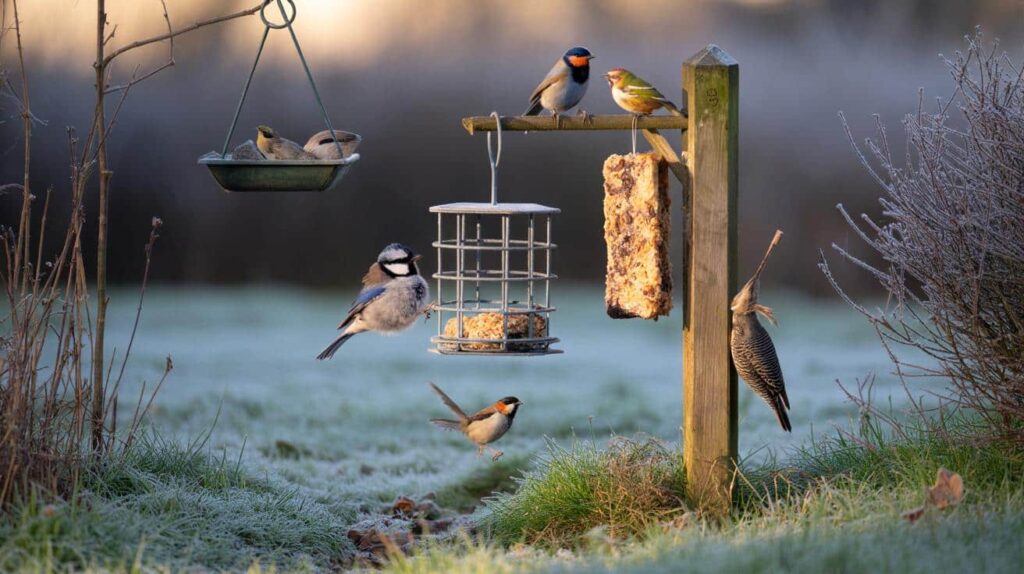
Across the fence, your neighbor’s station hangs untouched, seed clumped and grey. Yours is packed.
The only real difference? A cheap winter treat that bird lovers quietly swear by every February.
And once you use it, the garden never quite feels empty again.
The secret February treat that turns a quiet yard into a bird café
Most people throw up a generic seed mix and hope for the best. Then they stand at the window, coffee cooling in their hand, wondering why nothing shows up except one grumpy pigeon and the occasional squirrel.
The bird obsessives down the road are playing a different game. Every February, when insects vanish and natural food hits rock bottom, they switch to a heavyweight classic: **homemade suet cakes** and fat-rich winter blocks. Cheap, ugly, not at all Instagrammable. But birds? They go wild for them.
Ask around in any local birding group and you’ll hear the same mini-story. Someone complains their feeders are quiet. An older neighbor leans in and says, “Hang suet. Plain, cheap suet. Watch what happens.”
One woman in Yorkshire posted photos in a Facebook group: day one, only one lone robin on her feeder. Day three, after hanging two suet blocks and a DIY peanut butter log, she had six species lined up like they’d booked a table. Sparrows, finches, nuthatches, a great spotted woodpecker, even a wren skipping underneath like it was cleaning crumbs from a cafe floor.
There’s a simple reason this works. February is the hardest month for many garden birds. They’ve burned through fat stores to survive winter, but the early spring insects haven’t kicked in yet.
Suet and other high-fat treats act like a portable furnace. They pack in calories birds can use fast, especially in the icy dawn hours. That’s why gardens with fat-based food become morning hotspots, while plain seed feeders hang forgotten like old decorations. *Birds go where the energy is.*
How to set up this cheap February feast (without turning the garden into a mess)
The simplest move? Hang one basic suet cage feeder right where birds already pass through – near a hedge, a tree, or a fence line. Fill it with no-frills suet blocks or fat balls from the supermarket or discount store.
If you want to go fully old-school, take a cheap block of beef suet from the meat aisle, melt it gently in a pan, stir in oats, crushed peanuts, and a pinch of seeds, then pour it into a shallow container to set. Cut into chunks, pop into the feeder, and wait. You’ve just created a February magnet.
This is where plenty of people trip up. They hang suet in the most exposed, windy part of the garden “so they can see it from the kitchen,” then wonder why birds avoid it like a bad restaurant. Birds need a nearby escape route. A shrub, a rose arch, a tree branch – some place to dart back into if a hawk or cat appears.
Let’s be honest: nobody really scrubs feeders every single day. But giving the suet cage a quick hot-water rinse every week or so stops it going rancid and keeps birds healthy. If the block turns grey or smells off, out it goes.
“I spent years buying fancy seed mixes that just got kicked onto the grass,” laughs Paul, a retired postman who now runs a small birdwatching blog. “One winter I finally tried plain suet and a peanut butter pine cone. Within three days, I had more birds than I’d seen in ten years. It cost me less than a takeaway coffee.”
- Use one suet feeder near cover, not five scattered randomly.
- Combine suet with a small dish of water so birds can actually digest that rich fat.
- Avoid suet with bright-colored fillers and artificial bits – birds don’t need the gimmicks.
- Bring soft suet into shade on warmer days so it doesn’t melt into a greasy mess.
- Rotate the spot slightly each month to keep droppings and trampled ground under control.
The quiet joy of a crowded feeder on the coldest mornings
There’s a funny shift that happens once the birds start showing up every morning. At first, you’re just pleased the feeder isn’t sitting there like an ornament. Then you catch yourself timing the kettle with the first blue tit, noticing which robin is bolder, learning the exact scratchy call of the coal tit before you even look up.
Birds that once blurred into “just sparrows” become individuals. Tiny regulars with routines, rivalries, quirks. That cheap February treat becomes less of a trick and more of a daily check-in with a small, wild world right outside the glass.
You might also notice the neighborhood quietly responding. A teenager filming the flock for TikTok. A dog walker stopping at the gate to watch a woodpecker hammer at the suet block. A neighbor texting, “What are you feeding them? They never come to mine.”
There’s an emotional ripple effect when one bare, grey garden suddenly fills with life in the hardest month. It doesn’t fix the frost or the bills or the late train. But for a few minutes each morning, wings replace silence. That’s not nothing.
Over time, you start playing with the details. A homemade suet-and-berry mix one week, a peanut crumble the next. Maybe a log drilled with holes and stuffed with fat, hanging slightly crooked but busy with clinging tits and nuthatches.
You look back to the empty-feeder winters and wonder how you ever put up with that stillness. The trick wasn’t some premium influencer-approved product. It was just this: offer rich, reliable food when birds need it most, and they’ll write your garden into their daily map. And once they do, February mornings don’t feel quite so long.
| Key point | Detail | Value for the reader |
|---|---|---|
| High-fat treats win in February | Suet cakes, fat balls, and peanut mixes give birds dense energy when natural food is scarce. | More species, more visits, especially in cold early hours. |
| Placement matters more than price | Hang feeders near cover and away from constant disturbance or predators. | Safer, more confident birds mean fuller, busier feeders. |
| Simple routines beat perfection | Basic cleaning, rotating spots, and topping up regularly keep birds returning. | Long-term, healthy bird traffic without turning feeding into a chore. |
FAQ:
- What exactly is suet, and where do I buy it?Suet is hard fat from around the kidneys of cows or sheep. You can buy ready-made suet cakes and fat balls in garden centers, supermarkets, and discount stores, or get raw suet in the meat section and melt it down yourself.
- Isn’t feeding birds in winter bad because they’ll become dependent?Wild birds still forage naturally. Your feeder is a supplement, not a full-time canteen. Consistent food in the toughest months boosts survival without stopping them from seeking natural sources.
- Which birds are most likely to come for suet?Common visitors include tits, woodpeckers, nuthatches, starlings, sparrows, and robins. In some areas, you might also see wrens, treecreepers, and even the occasional winter thrush investigating the crumbs underneath.
- Can I feed suet all year round?You can, but it’s best used in cold months when it won’t melt. In hot weather, fat can turn rancid and messy. Warm seasons are better for seed, fruit, and live or dried insects.
- What if squirrels steal all the suet?Try a caged suet feeder that excludes larger animals, hang it away from launch points like fences and low branches, and avoid tossing suet scraps on the ground. Some people also switch to suet in tougher, metal cages the squirrels can’t chew through.