
Glossy bob with blunt fringe and perfect cheekbones. You book the salon appointment and imagine a new life with that haircut. Then you look in the mirror: same hair and same cut but something feels wrong. Your jaw looks sharper & your cheeks appear wider and your neck seems shorter. The photo promised effortless style. The reflection shows something different. The truth is your hair hasn’t betrayed you. Your face shape just wasn’t considered in the equation.
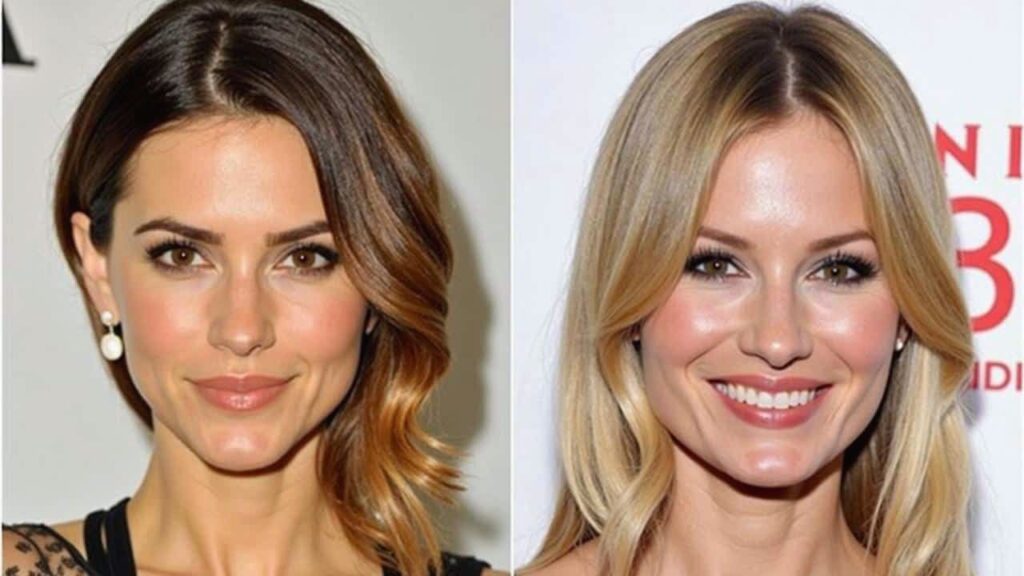
Why Face Shape Beats Any Trend
Walk into any busy salon on a Saturday & you’ll see the same scene play out. People show screenshots of celebrity bobs or shags or lobs. Their faces are all different but the inspiration images look nearly identical. Trends function like uniforms yet your forehead proportions and cheekbone width & jaw angles differ. A cut that works wonders on your friend may disappoint you because your bone structure dictates how hair frames your features. Around 70% of haircut disappointments aren’t technical but about mismatch with face shape.

How to Choose Haircuts That Respect Your Face Shape
You don’t need a complicated beauty quiz to figure out your face shape. Just stand in front of a mirror with your hair pulled back in natural light. Look at how wide your forehead is and notice how prominent your cheekbones are and what shape your jawline has. Try to identify whether your face is oval or round or square or heart-shaped or long. Use what you discover as a helpful guide rather than a strict rule you must follow. A square face looks great with soft layered cuts. A round face benefits from length below the chin and height on top. A heart-shaped face works well with side-swept fringes that make the forehead appear softer. When you start by understanding your natural structure you can treat trends as optional adjustments instead of something that causes frustration.

Practical Ways to Apply Face Shape at the Salon
Take photos of yourself and include past haircuts you enjoyed or did not like. Look at what happens near your jawline cheeks and forehead. Use what you notice when you talk to your stylist. You might say that your face looks harsh when hair touches your jaw or that your cheeks appear fuller with shorter cuts. This method skips strict rules and looks at actual results instead. When you adjust the length, volume or fringe to match your features, you make sure your hair works with your face instead of against it. Your haircut becomes a frame that supports your look rather than just following a trend.

The Quiet Confidence of Face-Shape-Aware Cuts
When your haircut suits your face shape something changes. People see you instead of just noticing your hair. Your eyes & smile and natural features become the focus. Regular moments like getting coffee or looking in a store window or being on a work call turn into times when your hair works well with your face without effort. Thinking about face shape first gives you a solid group of cuts that look good while trends stay optional. Rather than following every new style your haircut becomes steady and dependable & attractive like clothes that fit your body properly. Trends turn into extras while your face stays the main thing.

| Point clé | Détail | Intérêt pour le lecteur |
|---|---|---|
| Face shape first | Observer largeur du front, des joues et de la mâchoire avant de choisir une coupe | Aide à éviter les coupes tendance qui ne fonctionnent pas sur votre visage |
| Tendance adaptée, pas copiée | Modifier longueur, volume et frange d’une coupe magazine selon vos proportions | Permet de profiter des modes tout en restant valorisé |
| Photos de vous, pas seulement de stars | Comparer vos anciennes coupes réussies ou ratées pour voir les motifs | Donne un langage concret pour parler avec votre coiffeur et obtenir un meilleur résultat |
