Noticing extra hair strands scattered across your pillow or collecting around the shower drain can quietly trigger concern. As you run your fingers through freshly washed hair, you may find yourself wondering when it started feeling thinner than before. It’s a subtle worry—rarely spoken aloud, yet difficult to push aside. Stressful days, seasonal shifts, experimenting with new hair products, or wearing tight hairstyles are often the first reasons that come to mind. These explanations feel more comforting than facing the possibility that deeper changes may be happening beneath the surface of the scalp.
Understanding the Messages Your Hair Reflects
Hair often mirrors the rhythm of daily life. Long nights, skipped meals, rushed routines, tight styling, strong chemical products, and ongoing stress all leave their mark. Hormonal fluctuations, weather changes, and the natural passage of time also play a role. Long before hair fall feels excessive, the body offers gentle reminders—signals asking for better nourishment, rest, and mindful care. In fast-paced lives, these cues are easy to overlook. When shedding becomes noticeable, the urge for quick fixes grows, yet a slower, more supportive path exists through simple home-based remedies that work alongside the body rather than against it.

Oil Treatments That Support Hair from Roots to Ends
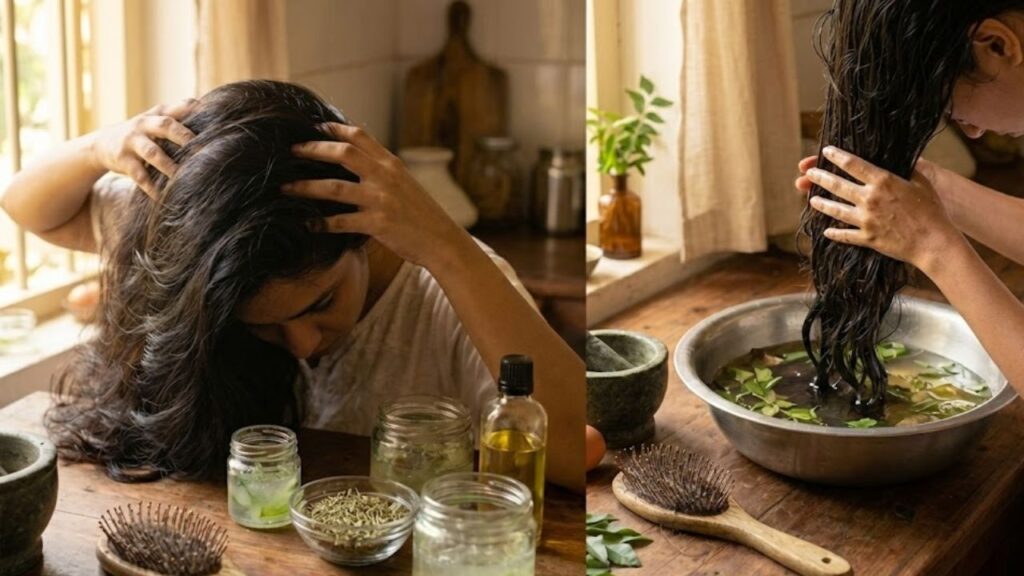
Applying oil to the hair is a traditional practice rooted in consistency and patience. Warm oil massaged into the scalp does more than soften strands—it encourages circulation and promotes calm. Coconut oil is widely used to help minimize protein loss and protect dry or brittle hair. Castor oil, thicker in texture, is generally applied in small quantities to maintain scalp hydration. Almond, sesame, and olive oils each bring their own advantages. No single oil suits everyone, which is why blends often work best. With regular use and gentle massage, oiling helps nourish the scalp and strengthen hair at the roots.

The Importance of Scalp Massage
The act of massaging the scalp is just as important as the oil itself. Using fingertips to apply light pressure in slow, circular motions helps boost blood flow, improving the delivery of oxygen and nutrients to hair follicles. Starting at the front hairline and gradually moving toward the back gently awakens the scalp. Even five to ten minutes a few times a week can make a noticeable difference. Along with physical benefits, scalp massage promotes relaxation, reducing tension and stress that quietly contribute to persistent hair fall.
Herbal Oils and Simple Infusions Made at Home
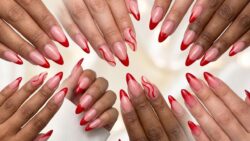
For those who enjoy a more intentional routine, creating herb-infused oils at home adds meaning to hair care. Ingredients such as rosemary, curry leaves, hibiscus, and fenugreek are commonly used. Slowly heating these herbs in oil and allowing them to infuse helps draw out their natural qualities. Rosemary is often linked to improved circulation, while hibiscus and fenugreek are valued for their conditioning and strengthening properties. Though the process takes time, the result is a custom-made oil that feels soothing, grounding, and deeply nourishing.