
Grey strands often signal a quiet shift in personal style. Some people welcome them openly, while others prefer to soften their look in a way that feels natural and low-effort. Around the world, there is a growing move away from harsh chemical dyes toward gentler ways of reducing the visibility of greys without losing authenticity. This change reflects a broader evolution in how ageing, beauty, and self-expression are viewed today.
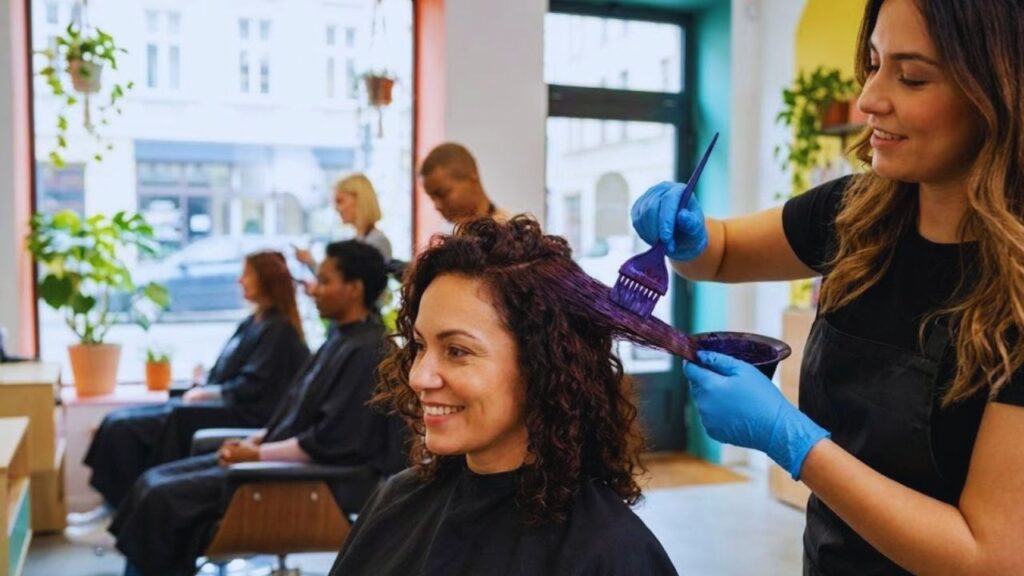
Why Hair Turns Grey and What Changes in Appearance
Hair does not lose colour all at once. Each strand grows from a follicle in the scalp, where pigment-producing cells called melanocytes supply melanin during growth. Melanin determines natural hair colour. With age, genetics, stress, and lifestyle influences, these cells gradually slow or stop pigment production. New hair then grows without colour, appearing grey or white. Grey hair is therefore fresh growth lacking pigment, not older hair fading. The hair protein keratin has a naturally pale yellow tone. When melanin disappears, this underlying shade becomes more visible, especially in bright light. At the same time, ageing scalps tend to produce less natural oil, which normally keeps hair smooth and shiny. Reduced oil makes grey hair feel coarser, look duller, and frizz more easily. Changes in texture also affect how hair bends and sits, which is why greys often feel wiry or harder to manage. Even a few bright white strands against darker hair can create sharp contrast around the face. This contrast may draw attention to under-eye shadows, fine lines, and tired features, often making a stronger visual impact than the colour change itself.
 Lip Liner Placement Technique That Visually Enhances Lip Shape and Creates Fuller Results Naturally
Why Traditional Hair Dye Is Losing Popularity
Permanent hair dye has long been the standard solution for greys. These formulas open the hair cuticle using ammonia or similar chemicals, allowing colour to penetrate through oxidation. While results can appear sleek at first, repeated use often weakens hair, particularly fragile grey strands. Over time, damaged cuticles lead to dryness, breakage, tangling, and scalp irritation. Maintenance is another drawback. Permanent dyes create a noticeable regrowth line every few weeks, requiring constant touch-ups. As beauty preferences shift, many people now favour softer, low-commitment approaches that preserve natural depth and minimise chemical exposure. The focus has moved from perfect coverage to gentle enhancement.

The Rise of Natural Grey-Softening Methods
Plant-based and kitchen-inspired colour boosters have gained popularity as part of this gentler approach. These methods do not bleach hair or permanently alter its structure. Instead, they coat the surface, gradually building a sheer tint while improving shine and softness. Among these options, cocoa powder has drawn particular interest. Cocoa contains natural pigments and polyphenols that can subtly deepen light to medium brown shades. On grey strands, it softens stark whiteness so hair blends more harmoniously. Rather than acting as a true dye, cocoa works as a tinted conditioning treatment that enhances colour and texture over time.
How Cocoa Softly Blends Grey Hair
Cocoa-based treatments coat the hair shaft with a gentle brown veil that fades slowly with washing. When mixed with conditioners or nourishing oils, cocoa also helps retain moisture and smooth the cuticle. With consistent use, grey hair often appears shinier, less coarse, and easier to manage. The result is subtle and natural, offering balance rather than full coverage.
A Simple Cocoa Treatment to Try at Home
This easy method suits sensitive scalps and minimal routines. For short to medium hair, mix one tablespoon of pure, unsweetened cocoa powder with a generous amount of lightweight, oil-free conditioner. Stir until smooth and evenly blended. Apply to freshly washed, towel-dried hair, concentrating on areas where greys show most, such as the parting, temples, and hairline. Use a wide-tooth comb to distribute evenly. Leave on for 15 to 20 minutes, then rinse with lukewarm water. Avoid shampooing immediately, as this would remove most of the surface colour.
What Results to Expect by Hair Colour
Light brown hair: A warmer tone becomes noticeable and greys blend faster; apply one to two times weekly.
Medium brown hair: Added richness with naturally mixed greys; use once a week.
 Household Oils That Encourage Thicker Eyebrows and Longer Lashes With Consistent Daily Use
Dark brown or black hair: Enhanced shine with slight warmth; minimal colour change, every 7–10 days.
Can Softened Greys Create a More Youthful Look?
Grey hair alone does not define age. Haircut, skin health, posture, and clothing all influence appearance. However, strong contrast between dark hair and bright white strands can highlight facial shadows and fine lines. Softening this contrast may create a more rested and balanced look. Youthful-looking hair is often less about eliminating greys and more about shine, hydration, and shape. Smooth, reflective hair frames the face gently, brightening the eye area and subtly lifting overall features. Even reduced frizz around the face can noticeably change how skin appears.
When Natural Colour Methods Are Most Effective
Natural colour adjusters such as cocoa, coffee, black tea, or sage work best for those with up to 40–50% grey who want blending rather than full coverage. They suit people seeking gradual change, warm tones, and low maintenance. Anyone expecting dramatic results from a single use may be disappointed, as these methods rely on consistency. Although natural, these treatments are not risk-free. Cocoa can cause reactions in sensitive individuals, so a patch test is essential. Product build-up may also occur, making a mild clarifying shampoo useful every few weeks.
How This Shift Is Changing Beauty Standards
The popularity of cocoa and similar methods reflects a wider change in beauty ideals. Perfectly uniform colour is no longer the sole marker of youth. Blended greys, soft tints, and sheer coverage are increasingly embraced, encouraging individuality over strict correction. Many people now choose to soften greys rather than erase them, pairing gentle colour methods with thoughtful haircuts, scalp care, and balanced nutrition. While supplements cannot reverse greying, nutrients like omega-3s, iron, zinc, and B vitamins support overall hair strength and quality.
Other Gentle Options to Use Alongside Cocoa
Some people alternate cocoa treatments with black tea or coffee rinses for deeper tone, or sage and rosemary infusions for subtle shading and scalp freshness. Rotating these methods helps prevent colour from becoming overly warm or flat. Professional guidance can also be valuable. Many stylists now specialise in grey blending, combining low-impact dyes with plant-based glosses. Maintaining results at home with cocoa or tea masks allows longer gaps between salon visits while reducing chemical stress. Always test on a small, hidden section first to understand how your hair responds.
 Natural Home Treatments That Strengthen Hair Roots and Gradually Reduce Hair Fall Over Time
