The mat feels cool under your forearms as your toes press down and your legs work quietly. Your breathing becomes steady and controlled. Between the tension in your stomach and the concentration in your mind a familiar question appears: how long should you hold this position? Ten seconds? Thirty? A full two minutes that seems to last forever? Planks are usually seen as a simple exercise with one correct answer but they are actually an ongoing dialogue between your body and gravity that shifts over time. What feels easy at 18 becomes challenging at 48 and at 68 needs careful attention. At every age your core foundation supports your spine and protects your back and enables smooth confident movement. Finding the right hold time means understanding your body exactly as it is right now.
The Silent Work Happening in Your Core
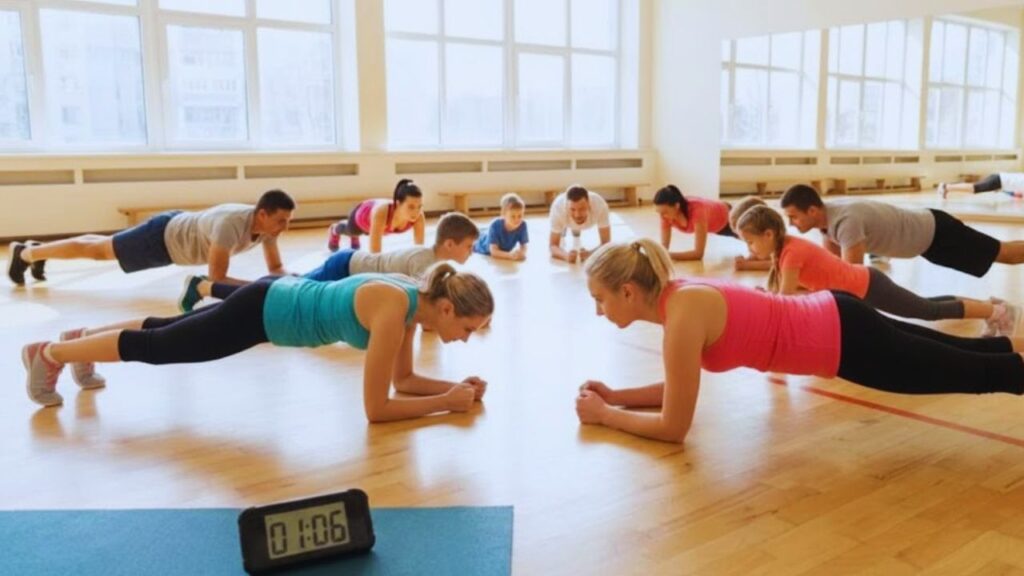
Most workouts make themselves known through heavy breathing, loud movements, and obvious exertion. Planks are different. You settle into a straight line, stacking shoulders over elbows or wrists, pressing heels back, and letting the neck stay relaxed. From the outside, it looks almost still.

Internally, something powerful is happening. The deep core muscles switch on together: the transverse abdominis wraps the torso, the multifidus supports the spine, the diaphragm syncs breathing, and the pelvic floor stabilizes from below. These muscles respond best to controlled effort and consistent practice. This is why a steady twenty-second plank with clean form often delivers more benefit than a longer hold done with strain and tension.
 Lip Definition Trick: The Exact Liner Placement That Creates Fuller Looking Lips Naturally
Why Longer Planks Aren’t Always Better
Fitness trends often glorify extremes. Two-minute planks, five-minute challenges, and viral endurance tests have made long holds seem like the ultimate goal.
The quieter truth is less dramatic. Beyond a certain point, holding a plank longer mainly builds discomfort tolerance rather than meaningful strength. Many trainers and studies point out that short, controlled holds, repeated regularly, do more for core stability and spinal support than occasional endurance tests. Longer planks are not dangerous on their own, but as fatigue builds, alignment often slips, reducing their overall value.
How Age and Recovery Change the Equation
As time passes, the body naturally adapts. Recovery slows slightly, tissues become less forgiving, and balance requires more attention. A plank that once felt effortless now asks for greater awareness. This isn’t decline—it’s biology.
Instead of one rigid rule, flexible ranges work best. The ideal plank ends just before form breakdown begins. These age-based guidelines are reference points, not strict limits, for healthy adults without major injuries.
| Age Range | Suggested Hold Time (Each Set) | Ideal Sets | Recommended Weekly Frequency |
|---|---|---|---|
| Teenagers (13–19) | 20–40 seconds | 2–4 sets | 2–4 sessions per week |
| Young Adults (20–39) | 30–60 seconds | 2–4 sets | 3–5 sessions per week |
| Midlife Adults (40–49) | 20–45 seconds | 2–4 sets | 3–4 sessions per week |
| Older Adults (50–59) | 15–40 seconds | 2–3 sets | 2–4 sessions per week |
| Seniors (60+) | 10–30 seconds | 2–3 sets | 2–4 sessions per week |
Your 20s and 30s: Building Strength Efficiently
In early adulthood, recovery is fast and tissues are resilient. Holding a plank for thirty to sixty seconds with proper alignment can be effective.
The main risk isn’t weakness, but subtle form loss. Hips may dip, shoulders may creep upward, and the lower back may quietly strain. Splitting effort into multiple shorter holds often leads to better results than one long, exhausting attempt.
Your 40s: Strength With Better Feedback
By the 40s, the body offers clearer signals. Old injuries may speak up, and stiffness can appear sooner. Strength is still there, but it benefits from intentional control.
 Daily Collagen Broth Rituals That Support Better Skin Hydration Firmness and Elasticity Over Time
For many people, the most productive range falls between twenty and forty-five seconds per hold. Some days support longer efforts, while others call for restraint. The focus shifts toward sustainable strength that supports posture, spinal health, and daily movement.
Your 50s, 60s, and Beyond: Smart and Steady Strength
Later decades redefine what strength looks like. Muscle mass may change and recovery may slow, but the body still adapts. Planks remain valuable, especially when adjusted.
Shorter holds of ten to thirty seconds performed with excellent alignment can be highly effective. Knee planks or incline planks are not shortcuts; they are intelligent modifications that protect joints while keeping the core engaged.
Recognizing When a Plank Should End
Your body always signals when a plank shifts from supportive to risky. Lower-back sagging, shoulders creeping toward the ears, held breath, or facial tension are clear cues to stop.
Ending a hold at the first sign of form loss is not failure—it is skilled training. This approach builds efficiency and control instead of breakdown.
Making Planks a Simple Daily Habit
Planks don’t need drama or long sessions. They fit easily into daily life—a brief hold before coffee, another after work, or one before bed. These small, consistent efforts add up quietly.
The real reward isn’t a record time. It’s standing taller, moving with confidence, and supporting your body through everyday tasks. Hold only as long as your form stays honest. Rest, repeat, and let lasting core strength develop naturally.