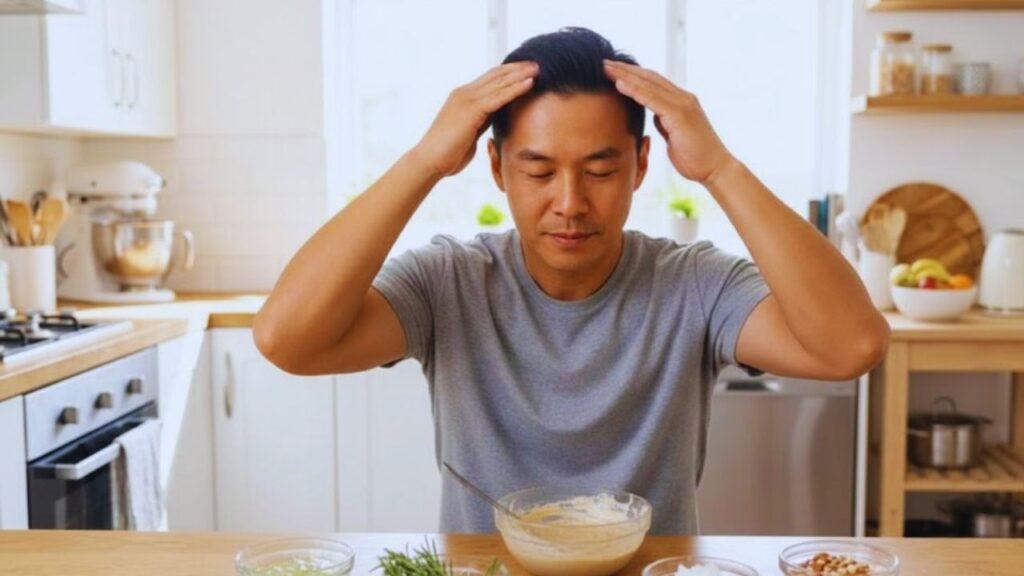
The first time you see more hair than usual on your pillow or in the shower drain something changes inside you. You stand there with wet fingers touching your scalp and try to remember when your hair started getting thinner. It creates a quiet panic that you rarely share with others but you cannot hide it from yourself. You might blame stress or weather changes or a new shampoo or tight hairstyles. These reasons feel easier to accept than admitting that something more serious might be happening.
Understanding the Signals Your Hair Sends
Hair communicates without words. It shows the effects of sleepless nights and forgotten meals and quick showers and tight hairstyles and strong chemicals and stressful periods. It responds to hormone fluctuations and weather changes and aging. The body warns you gently long before hair loss becomes serious. It asks for rest and proper nutrition and gentler treatment. Today’s busy lifestyle makes these warnings easy to miss. When hair starts falling out more than usual most people look for instant solutions. But there is a better approach that takes more time. Home remedies support your body’s natural processes instead of fighting against them.
Oil Rituals That Nourish Hair at the Roots
Oiling the hair is an old practice that requires patience and care. You warm the oil in your hands and massage it into your scalp. This does more than make your hair softer because it also improves blood flow and helps you relax. Coconut oil prevents protein loss and protects hair that is dry and brittle. Castor oil is thicker and people use small amounts to keep the scalp moisturized. Almond oil and sesame oil and olive oil all have their own advantages. No single oil is perfect for everyone & mixing different oils usually gives the best results. When you oil your hair regularly and massage your scalp gently you feed the scalp with nutrients & make the roots stronger.
Why Scalp Massage Truly Matters
Massaging the scalp matters just as much as the oil you use. When you work your fingertips in slow circles you boost blood flow and help oxygen and nutrients get to your hair follicles. Begin at your hairline and gently move backward to stimulate the skin under your hair. Spending just five to ten minutes a few times each week can create visible results. Apart from the physical advantages a scalp massage also helps you relax and reduces the tension and stress that can lead to hair loss over time.
Herbal Oils and Gentle Natural Infusions
People who prefer a more thoughtful method can make their own herbal oil infusions at home. Popular choices include rosemary curry leaves, hibiscus and fenugreek. The process involves gently heating these herbs with oil and letting them soak so their natural properties move into the oil. Rosemary is known for boosting circulation while hibiscus and fenugreek help with conditioning and strengthening hair. This slow & careful process creates a custom oil that feels both comforting and beneficial.
Kitchen Remedies That Quietly Strengthen Hair
Many useful hair treatments can be found right in your kitchen. Basic ingredients like seeds and yogurt along with eggs & aloe help keep your scalp healthy and make your hair stronger. These treatments will not change your hair overnight but they work well when you use them regularly & pay attention to what your hair needs. Making these treatments yourself turns hair care into a form of self-care & shows that good nourishment does not always need to come from expensive store products.
Fenugreek Seeds and Consistent Hair Support
Fenugreek seeds work well when you soak them overnight & blend them into a paste that you can put on your scalp. These seeds contain lots of proteins and natural compounds that many people use to stop hair from falling out & make it feel better. You can apply this paste once or twice each week for short periods to help your hair become thicker and stronger. Like any natural treatment you need to use it carefully and watch how your scalp reacts to it.
Aloe Vera for a Calm, Balanced Scalp
Aloe vera provides gentle relief for irritated or oily scalps. The gel calms inflammation and balances oil production while clearing buildup that can clog follicles. You can apply it directly to your scalp for twenty to thirty minutes to support a healthier environment for hair growth. Mixing aloe with oils or yogurt adds extra nourishment.
Protein Masks Made from Everyday Foods
Hair needs protein support when you use heat styling tools or spend time in the sun. You can make masks at home using egg and plain yogurt to temporarily strengthen each strand. These masks make hair smoother and help prevent breakage. Put the mixture on damp hair and wash it out with cool water. Use these masks every now and then to give your hair extra strength without overdoing it.
How Food and Stress Shape Hair Health
Hair health shows how well your body is doing overall. When you lack nutrients or deal with ongoing stress hormonal shifts, or bad sleep patterns, your hair often shows these problems first through extra shedding or getting thinner. Topical treatments help your scalp but what happens inside your body matters just as much. Eating foods with plenty of protein, iron zinc, and good fats gives your hair what it needs to grow. Drinking enough water & paying attention to what you eat helps keep your hair strong over time.
The Hidden Link Between Stress and Hair Fall
Stress and illness often cause hair to fall out several months after the difficult period ends. This happens because hair enters a resting phase and then sheds later. You can help your body recover by moving gently, practicing breathing exercises, getting enough rest and spending less time looking at screens. These activities help manage stress and support your body’s natural healing. When stress hormones decrease, your hair growth cycle can slowly return to normal.
Daily Habits That Preserve Hair Strength
Hair care depends on the decisions you make each day. When you pick gentle shampoos and wash your hair only when needed you help keep its natural oils intact. Make sure to clean your scalp thoroughly during washing. Apply conditioner to the middle & ends of your hair to cut down on friction and prevent breakage. Try to use heat styling tools less often & wear your hair in styles that are not too tight. Sleeping on smooth pillowcases also helps protect your hair from damage that it does not need to experience.