# How Much Rest Do You Actually Need to Feel Happy? In modern life many people do not realize how much rest influences their emotional health. Between demanding jobs & endless screen time genuine recovery often takes a back seat. People wake up feeling tired even after a full night of sleep. This article examines how much rest you truly need to feel happy rather than just getting through the day. Rest involves more than simply sleeping enough hours. Physical recovery happens when your body repairs muscles and restores energy levels. Mental recovery occurs when your mind gets a break from constant decision-making and information processing. Emotional recovery takes place when you have time to process feelings and reconnect with what matters to you. Most adults need between seven and nine hours of sleep each night for basic physical function. However feeling genuinely happy requires additional forms of rest throughout your day & week. Your brain needs periods of low stimulation to reset its stress response systems. Without these breaks anxiety and irritability build up regardless of how much you sleep. Quality matters as much as quantity when it comes to rest. Scrolling through social media before bed does not provide the same recovery as reading a book or having a calm conversation. Your nervous system needs true downtime where it can shift out of alert mode. This might include activities like walking in nature or sitting quietly without any specific goal. Different types of fatigue require different recovery approaches. Physical tiredness responds well to sleep and reduced activity. Mental exhaustion improves with activities that engage different parts of your brain like creative hobbies or social connection. Emotional depletion often needs time spent with supportive people or engaging in meaningful activities that align with your values. The relationship between rest and happiness becomes clear when you notice how you feel after truly restful periods compared to busy weekends packed with obligations. Happiness emerges not from constant productivity but from having enough recovery to engage fully with life. When you are well-rested you have more patience with others and more capacity to enjoy simple pleasures. Creating a sustainable rest routine means building in different types of recovery throughout your week rather than waiting until you feel completely burned out. This might include short breaks during work days one completely unscheduled day per week, and longer periods of vacation several times per year. The goal is preventing exhaustion rather than only responding to it. Understanding your personal rest needs requires paying attention to how you feel rather than following generic recommendations. Some people recharge through quiet solitude while others need social interaction. Experimenting with different approaches helps you discover what actually restores your sense of well-being. True happiness depends on giving yourself permission to rest in ways that work for your specific needs.
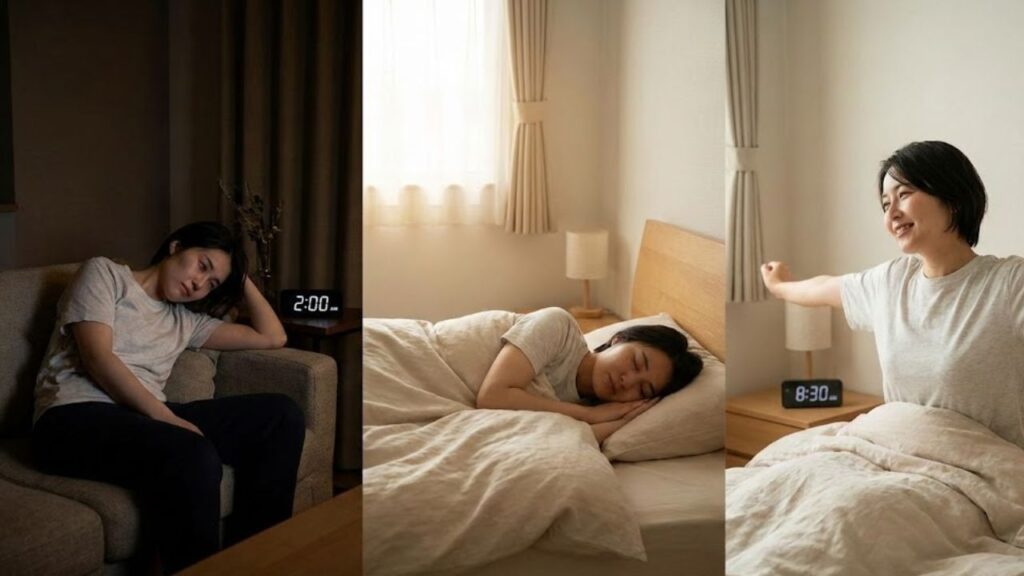
How much rest you need for happiness
Feeling happy does not come from endless free time but from finding the right balance in how you recover. Studies show that most adults need more than just basic sleep to feel emotionally refreshed. Along with seven to nine hours of sleep each night people also gain benefits from moments of mental downtime & lower levels of stimulation plus deliberate breaks throughout their day. Taking short pauses helps keep stress hormones under control while longer rest periods bring back motivation & a positive outlook. When you skip rest your brain remains in a state of constant alertness which decreases feelings of joy & makes you less patient. With regular recovery over time you can support emotional balance and make better decisions while enjoying greater satisfaction in daily life without needing to make dramatic changes to how you live.

The role of mental and emotional rest
Mental rest gets ignored a lot in our always-connected world. You might sleep for eight hours and still wake up feeling mentally drained because your brain never stops processing information. Real recovery happens when you give yourself actual downtime like taking a walk without earbuds in or just sitting somewhere without grabbing your phone every few minutes. Your emotions need breaks too. Sometimes you just need to step back from what everyone expects of you and what you think you should be doing. When your mind gets room to work through things on its own without being interrupted your stress goes down and feeling happy becomes easier. Making time for these mental breaks on purpose helps you stay emotionally balanced over the long run. You end up reacting to situations more calmly and generally seeing things in a better light.

Why quality rest matters more than time
Resting for many hours does not always lead to happiness when that rest fails to refresh you properly. The quality of your rest is more important than how long you rest because broken or unfocused rest cannot properly calm your nervous system. Activities that encourage deep relaxation like focused breathing or peaceful hobbies work better than mindlessly looking at your phone. When you rest with purpose your body enters a healing state that boosts your mood and energy. Regular quality rest over time builds stronger long-term well-being and allows people to feel happier with less rest time compared to poorly planned downtime.
Understanding rest and happiness
Happiness gets better when you treat rest as something you need every day instead of a special treat you earn once in a while. When you mix together good sleep, mental breaks and emotional limits you build a recovery routine that actually lasts. This balanced method supports natural mood reset and cuts down on burnout. Rather than trying to find more free time, paying attention to moments that restore you brings emotional benefits that stick around. As time goes on, purposeful rest turns into a strong tool for keeping your happiness & toughness intact.
| Type of Rest | Recommended Duration | Primary Benefit |
|---|---|---|
| Night Sleep | 7–9 hours | Physical recovery |
| Mental Breaks | 10–20 minutes | Improved focus |
| Emotional Rest | Daily short pauses | Reduced stress |
| Digital Detox | 1–2 hours | Calmer mood |
| Leisure Activities | Several times weekly | Increased happiness |
Frequently Asked Questions (FAQs)
1. How many hours of rest are needed to feel happy?
Most adults feel happiest when they get between seven & nine hours of sleep each night & take regular mental breaks during the day. Research shows that this combination helps people maintain better moods and higher energy levels. Sleep allows the brain to process emotions and consolidate memories while mental breaks during waking hours prevent burnout and reduce stress accumulation. Adults who consistently sleep within this range report feeling more satisfied with their lives. They experience improved concentration and make better decisions throughout the day. The mental breaks complement good sleep by giving the mind time to reset and recharge between demanding tasks. Without adequate sleep the brain struggles to regulate emotions properly. People become more irritable and less able to handle everyday challenges. Similarly skipping mental breaks leads to decreased productivity & increased feelings of overwhelm. The relationship between sleep and breaks works both ways. Good sleep makes it easier to recognize when you need a break during the day. Taking proper breaks helps you sleep better at night because your mind is less cluttered with unresolved stress. Finding the right amount of sleep within the seven to nine hour range depends on individual needs. Some people function best closer to seven hours while others need the full nine. The key is consistency & paying attention to how you feel during the day. Mental breaks do not need to be long to be effective. Even five or ten minutes away from focused work can help restore mental clarity. These breaks work best when they involve a complete change of activity rather than just switching between similar tasks. Adults who prioritize both adequate sleep and regular breaks throughout the day create a sustainable rhythm that supports long term happiness & wellbeing.

2. Is sleep alone enough for emotional happiness?
No, emotional and mental rest are also essential for lasting happiness.
3. Can short breaks really improve mood?
Taking short planned breaks during your day helps lower your stress & keeps your emotions more stable. When you step away from work or demanding tasks for a few minutes you give your mind a chance to recover. These pauses allow your body to release built-up tension & prevent you from becoming overwhelmed. Regular breaks throughout the day make it easier to handle challenges and maintain a calmer mindset. Even a five-minute pause to stretch or breathe deeply can make a noticeable difference in how you feel. This simple practice supports better mental health and helps you stay more focused when you return to your activities.
4. Does quality rest matter more than total rest time?
Quality rest that helps you recover works better than spending lots of time relaxing while your mind wanders to other things. When you take a break with clear intention & give yourself proper recovery time, your body and mind benefit more than if you simply spend hours doing nothing productive but never fully disconnecting from stress and responsibilities. The key difference lies in how present you are during your rest period. Focused rest means you actively engage in activities that genuinely refresh you, whether that involves reading a book you enjoy, taking a walk in nature practicing meditation, or simply sitting quietly without checking your phone every few minutes. In contrast distracted downtime often looks like scrolling through social media for hours, half-watching television while thinking about work problems, or lying on the couch feeling guilty about tasks you should be doing. This type of rest fails to provide real recovery because your nervous system remains activated and your thoughts stay scattered. Research shows that people who take shorter but more intentional breaks throughout their day report feeling more energized and less burned out than those who push through long work periods & then collapse into unfocused leisure time. The brain needs genuine disconnection to process information & restore its resources. Restorative rest also includes getting quality sleep on a consistent schedule, which proves far more valuable than occasionally sleeping in for extra hours after several nights of poor rest. Your body follows natural rhythms that respond better to regular patterns than irregular compensation. The modern challenge involves constant connectivity through devices & the cultural pressure to always be productive or entertained. True rest requires setting boundaries & sometimes doing absolutely nothing without feeling the need to fill every moment with stimulation. Learning to rest effectively is a skill that improves with practice and pays dividends in your overall wellbeing and performance.