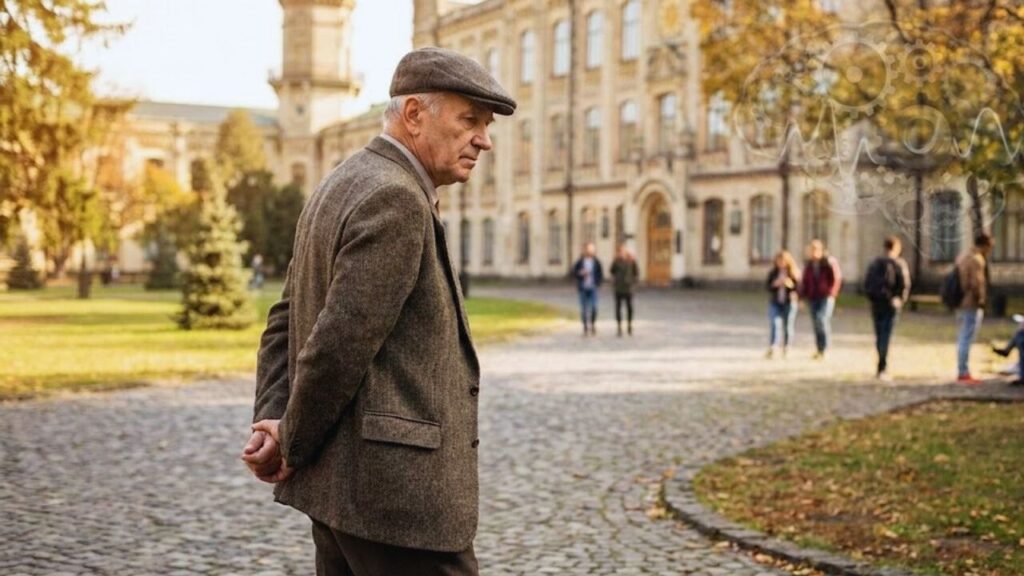
Body language can tell us more about a person than their words. One interesting habit is walking with your hands clasped behind your back. In India this posture is common among older people and those in positions of authority. You might see it in offices or public parks. Psychologists believe this walking style reveals something about a person's confidence and emotional state. The gesture appears simple but actually carries deeper meaning. Its interpretation depends on the situation and the individual's personality. Cultural background also plays a role in how we understand this behavior. Most people don't realize how much this small action can reveal about someone's character and values.
Walking With Hands Behind Back and Confidence Signals
From a psychological viewpoint, walking with hands clasped behind the back typically shows quiet confidence instead of aggressive dominance. This stance opens up the chest area & prevents defensive arm positions, which indicates trust and ease in the environment. Psychologists often connect this behavior to inner security because the person feels safe enough to leave themselves unprotected. In Indian culture, this walking style is frequently seen among teachers, elders or authority figures who demonstrate calm assurance without dramatic movements. The confidence displayed here differs from arrogance since it represents a balanced state of mind and internal stability that enables someone to walk at a measured & intentional pace.

Psychology Behind Hands-Behind-Back Walking Habits
Psychologists see this walking style as a sign of reflective thinking mode. Placing hands behind the back helps reduce outside distractions and promotes internal focus that connects to mental processing state. People who are thinking deeply or solving problems or making plans often use this posture without realizing it. In everyday Indian life this position appears often during morning walks when people practice mindful movement patterns. This behavior can also show emotional regulation skill because controlled movements suggest the person is handling their impulses and staying calm instead of responding with emotion.

What This Walking Style Says About Personality Traits
Walking with your hands behind your back can reveal something about your personality. People who walk this way tend to be organized and observant. They usually like things to be orderly around them. Psychologists link this posture to careful thinking and a tendency to act thoughtfully rather than impulsively. In Indian workplaces this walking style might show that someone feels confident and secure in their position. They likely feel respected and safe in their environment. However the situation matters a lot. When things are tense the same posture might actually hide nervousness or anxiety. This shows why it's important to look at the whole picture & consider other signals instead of focusing on just one gesture.
Psychological Summary and Interpretation
Psychology sees walking with hands behind the back as a complex type of body language. This single movement combines signs of confidence & thoughtfulness with self-control. In Indian culture where people pay close attention to social behavior, this stance usually shows maturity and composure instead of aggressive dominance. However it should be interpreted through behavioral context clues because posture by itself cannot reveal someone's character. When you look at it together with facial expressions & walking speed & the surrounding context, it becomes a useful sign of internal emotional balance & social comfort level rather than a fixed psychological category.
| Walking Behavior | Psychological Interpretation | Common Context |
|---|---|---|
| Hands behind back | Confidence and control | Leaders, seniors |
| Slow steady pace | Reflective mindset | Morning walks |
| Upright posture | Self-assurance | Professional settings |
| Minimal arm movement | Emotional restraint | Public spaces |
| Relaxed shoulders | Mental calmness | Low-stress environments |
Frequently Asked Questions (FAQs)
1. Is walking with hands behind the back always a sign of confidence?
No it can also show that someone is thinking deeply or has developed a habit based on their situation depending on the context.

2. Is this walking style common among leaders?
Yes, psychology often links it with authority figures and leadership comfort.
3. Can this posture indicate emotional control?
Yes, limited arm movement is associated with emotional regulation.
4. Does culture affect how this gesture is interpreted?
Absolutely, cultural norms strongly influence how body language is perceived.