Behind those rough skins lies a very modern food dilemma: go for the tangy classic or the smooth newcomer, the punch of fibre or the hit of sweetness? Nutritionists say both fruits have serious advantages, but the details can tilt the balance depending on your age, your gut, and even your breakfast habits.
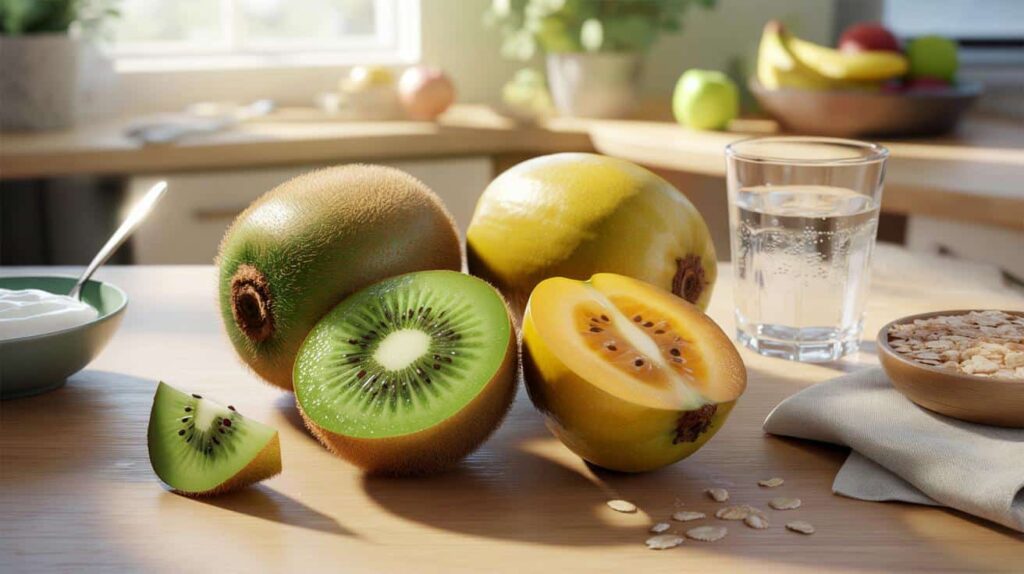
Two kiwis, two stories: how green and yellow took over our fruit bowls
The kiwi we grew up with, bright green with tiny black seeds, has surprisingly old roots. It originates from China, where wild vines climbed forest edges long before it became a “superfood” in Western diets. In the early 20th century, plants were taken to New Zealand, where growers selected varieties that were larger, juicier and less aggressively sour.
Yellow kiwi, sometimes sold as “gold” kiwi, is much younger. It was developed in New Zealand in the 1990s through traditional cross-breeding, not lab modification. The goal was clear: create a kiwi with a softer, less acidic flesh, a tropical taste and a thinner, more pleasant skin.
Green kiwi is the historic original; yellow kiwi is a sweeter, smoother, carefully bred cousin.
Both fruits now sit side by side in shops, and both are promoted as vitamin bombs. Yet their nutritional profiles are not identical, and that matters if you are choosing them for specific health goals.
Vitamin C, fibre and enzymes: what both kiwis bring to the table
Regardless of colour, kiwis are remarkably dense in nutrients for their size. One medium fruit can provide around 80–90% of the recommended daily intake of vitamin C. That vitamin acts as an antioxidant and supports immune function, collagen production and iron absorption from plant-based foods.
On top of that, kiwis contain an enzyme called actinidin. This enzyme helps break down proteins, which may ease digestion if you tend to feel heavy after meals rich in meat, eggs or dairy.
Both green and yellow kiwis stand out for vitamin C and a natural enzyme that can support easier digestion.
They also supply potassium, vitamin K and a range of plant compounds with antioxidant activity. For most people, the bigger differences are in taste and fibre.
Green kiwi: the fibre-rich, sharp-tasting classic
Green kiwis are the tangier option, with a refreshing acidity that wakes up a breakfast bowl or fruit salad. That flavour comes with a practical advantage: they tend to contain more fibre than yellow kiwis.
Fibre supports gut health by:
- Helping regulate bowel movements
- Feeding beneficial bacteria in the colon
- Slowing the absorption of sugars
- Contributing to a longer-lasting feeling of fullness
This makes green kiwis appealing for people dealing with sluggish digestion or those trying to stabilise their appetite across the day.
If your priority is better transit and more fibre, the green kiwi usually wins the contest.
Their more robust skin is technically edible, but some people find the fuzz off-putting. A good rinse and a gentle rub with a cloth can reduce the hairy texture if you choose to eat the skin for extra fibre.
Yellow kiwi: sweeter taste and a gentle entry into fruit acids
Yellow kiwis are often described as “sunny” or “tropical” in flavour. They tend to be sweeter and less acidic, with notes closer to mango or passion fruit than to the sharper green variety.
From a nutrition angle, they generally contain slightly more vitamin C than green kiwis per fruit. For people who struggle with citrus fruit due to mouth sensitivity, yellow kiwi can be a softer way to boost vitamin C intake without the sting of an orange or grapefruit.
The yellow kiwi offers a sweeter profile, a thinner skin and often a small edge in vitamin C.
Their skin is smoother and finer, which makes it easier to eat along with the flesh after washing. That adds a bit of extra fibre and phytochemicals without much texture issue.
Face-off: which kiwi fits which goal?
| Feature | Green kiwi | Yellow kiwi |
|---|---|---|
| Taste | More tart, refreshing, slightly acidic | Sweeter, softer, more “tropical” |
| Vitamin C | Very high | Very high, often slightly higher |
| Fibre | Higher | Moderate, a bit lower |
| Skin | Thicker, more fuzzy | Thinner, smoother, easier to eat |
| Best suited for | Transit support, higher fibre intake | People sensitive to acidity, vitamin C boost with milder taste |
So which one should end up in your basket? For many nutrition specialists, the answer is less about “better or worse” and more about matching your choice to your body’s needs and your taste.
Choosing based on lifestyle and digestion
If you are prone to constipation or want to increase your fibre intake without turning to supplements, green kiwi is a strong candidate. One or two fruits eaten in the morning, ideally with some water, can support regularity for some people.
If acidity upsets you, or if you are trying to introduce more fruit to a child who dislikes tart flavours, yellow kiwi feels gentler. Its natural sweetness makes it an easy swap for desserts heavy in added sugar.
How to keep kiwis fresh and full of nutrients
Storage plays a quiet but real role in how many nutrients you actually consume. Both green and yellow kiwis are often sold slightly firm, so they can withstand transport and shelf time.
For unripe fruit, room temperature is your ally. Leaving kiwis in a fruit bowl allows them to soften gradually while their vitamin content remains stable. Once they yield slightly under finger pressure, they are ready to eat.
Room temperature for ripening, fridge for holding: that simple rule helps keep kiwis tasty and nutrient-rich.
After ripening, place them in the vegetable drawer of your fridge. The cooler temperature slows further ripening and limits vitamin loss. Try to keep them away from apples and bananas, which release ethylene gas that speeds up the process.
Speeding things up when you need ripe kiwis now
If you have a smoothie planned for tomorrow and your kiwis are still hard, place them in a paper bag with an apple or a banana. The gas from those fruits will be trapped in the bag and will push kiwis towards ripeness faster.
Once ripe, use them within a few days. Long delays can mean softer texture and a gradual decline in vitamin content, even if the fruit still looks fine.
Everyday ways to eat more kiwi without getting bored
A kiwi on a spoon is the obvious way, but there are other easy uses that fit into a hectic weekday:
- Slice a green kiwi over porridge to cut through the creaminess.
- Blend yellow kiwi into a smoothie with yoghurt and oats for a quick breakfast.
- Pair kiwi with nuts as a mid-morning snack that balances fibre and healthy fats.
- Add kiwi cubes to a salad with feta and cucumber for a sharp-sweet contrast.
One point to remember: the actinidin enzyme can affect dairy texture. In some cases, leaving kiwi in contact with milk or yoghurt for many hours can lead to a slightly bitter taste or a softer texture. Mixing just before eating avoids this.
Skin on or off, and who should be cautious?
A recurring question is whether to eat the skin. Nutritionally, the skin adds a boost of fibre and some extra antioxidants. From a safety angle, a careful wash under running water and a gentle scrub is usually enough to remove dirt.
Yet the texture is not for everyone, and people with sensitive mouths or certain digestive issues may prefer to peel the fruit. The rule of thumb: if the skin makes you eat fewer kiwis overall, it is better to peel and enjoy than to force yourself and give up.
A small number of people experience an allergic reaction to kiwi, especially those already allergic to latex, pollen or some other fruits. Symptoms can include tingling in the mouth, swelling of lips or tongue, or itchy throat. In these cases, medical advice is needed before adding kiwi regularly.
Practical scenarios: which kiwi would a nutritionist suggest?
Imagine three everyday cases. A teenager constantly tired in winter, a 45-year-old dealing with irregular digestion, and a grandparent with sensitive teeth and gums.
The teenager might benefit from one yellow kiwi in a packed lunch to top up vitamin C and make fruit less of a chore. The adult with digestive troubles could try one or two green kiwis at breakfast for a few weeks to see if fibre and actinidin offer relief. The older person, bothered by acidity, may find yellow kiwi easier to tolerate, especially if cut into small pieces and combined with soft yoghurt.
Rather than chasing the “perfect” fruit, these examples show how tailoring the colour to the context can make the difference between a good habit that sticks and a healthy intention that fades.
For people already eating plenty of fruit and vegetables, alternating green and yellow kiwis brings variety in both taste and nutrients. Over the course of a week, that mix spreads the benefits of extra fibre, a strong dose of vitamin C, and the digestive help of actinidin without relying on just one type of fruit.